2026 Best Pn40 Butterfly Valve Features and Benefits Explained?
The Pn40 Butterfly Valve is a pivotal component in various industrial applications. Known for its efficiency, it ensures optimal flow control in pipelines under high pressure. Many industries rely on this valve for its durability and cost-effectiveness.
Understanding the features and benefits of the 2026 Best Pn40 Butterfly Valve helps professionals make informed decisions. This valve stands out for its lightweight design and straightforward installation process. It offers reliable performance, which is essential for maintaining system integrity.
However, there are factors to consider. Not every environment is suitable for a Pn40 Butterfly Valve. Users must carefully evaluate their specific needs. This assessment will determine if this valve truly aligns with their operational goals. Each application is unique, making it crucial to reflect on the chosen components.
2026 Overview of Pn40 Butterfly Valve Specifications and Standards
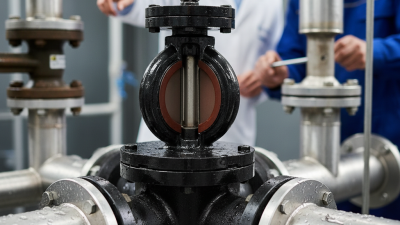
The PN40 butterfly valve is crucial in various industrial applications. It is designed to operate under high pressure, with a nominal pressure rating of 40 bar. This robust valve is often made from materials such as cast iron and stainless steel. These materials ensure durability and resistance to corrosion. Understanding these specifications is essential for engineers and operators.
The valve's design should allow for quick operation, typically with just a quarter-turn movement. This makes it advantageous in systems that require rapid throttling and shut-off capabilities. Installation guidelines should be closely followed to optimize performance. Proper gasket selection is vital to prevent leaks. Moreover, the valve must meet established industry standards for safety and reliability.
While specifications guide the selection process, real-world conditions may reveal flaws. Engineers must consider factors like temperature and fluid characteristics. This suggests that ongoing training and field experience are important. Additionally, regular inspections can help identify wear and potential failures. All these aspects require careful consideration to ensure longevity and efficient operation.
Key Features of Pn40 Butterfly Valves for Various Applications
When considering Pn40 butterfly valves for various applications, several key features stand out. These valves often operate under high pressure and are suitable for fluids ranging from water to chemicals. Research indicates that valves rated at Pn40 can handle pressures of up to 40 bar, making them suitable for demanding environments. Many industries rely on these valves for their resilience and efficiency.
One significant feature is their compact design. This allows for easy installation and reduced space requirements. Often, industries that require quick on-off control prefer butterfly valves. Their lightweight structure aids in minimizing the burden on piping systems. Data from industry reports suggest that the demand for such valves has increased by approximately 15% over the last five years. This surge reflects the growing need for reliable fluid control in sectors like water treatment and petrochemicals.
Handling corrosive fluids can be a challenge. However, Pn40 butterfly valves come with various materials that resist corrosion. Common materials include stainless steel and PVC, providing flexibility for different applications. These features enhance durability but might not eliminate the risk of wear over time. It’s vital to regularly inspect these valves to ensure long-term performance. While they provide many benefits, some users report occasional maintenance challenges, highlighting an aspect that requires attention.
2026 Best Pn40 Butterfly Valve Features and Benefits
Benefits of Using Pn40 Butterfly Valves in Fluid Control Systems
Pn40 butterfly valves are essential in fluid control systems. They offer reliable performance in demanding environments. Their design allows for quick operation, making them favorable for various applications. The valve's tight sealing capabilities prevent leaks, ensuring system efficiency.
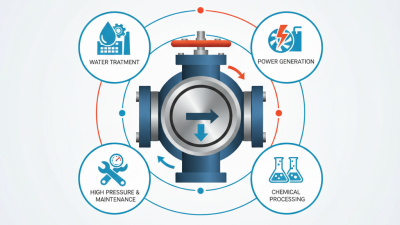
Using Pn40 butterfly valves improves flow management. This is crucial in industries like water treatment and oil and gas. Their lightweight design reduces stress on pipelines, enhancing durability. However, proper selection and maintenance are vital. Inadequate installation can lead to performance issues, like flow restrictions or damage.
Another benefit lies in their versatility. Pn40 butterfly valves can handle different fluids, including slurries and gases. This adaptability makes them suitable for numerous sectors. Despite this, users must consider temperature and pressure limits. Ignoring these factors may result in premature valve failure, impacting system reliability.
Comparative Analysis: Pn40 Butterfly Valves vs. Other Valve Types
When comparing Pn40 butterfly valves with other valve types, several factors come into play. Pn40 valves are designed for high-pressure applications. They excel in fluid control across various industries. Their lightweight design makes installation easier. However, they may not perform optimally in certain scenarios, such as high-viscosity fluids.
In contrast, gate valves are robust and suitable for complete shut-off. They handle higher pressure but are bulkier. Globe valves provide excellent throttling capabilities but can create more turbulence in the flow. Each valve type has its strengths and weaknesses. The choice often depends on specific operational requirements.
Cost-efficiency is another area worthy of discussion. Pn40 butterfly valves can be cheaper than other options in some cases. Their maintenance is generally straightforward, yet occasional leaks can occur. Choosing the right valve is crucial. Assess your application's unique needs before making a decision.
Industry Insights: Market Trends and Innovations in Pn40 Butterfly Valves
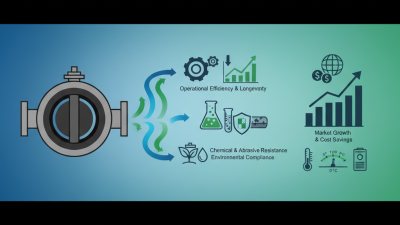
The Pn40 butterfly valve market is evolving rapidly. Recent innovations focus on improving efficiency and durability. Many manufacturers are integrating advanced materials. This enhances resistance to corrosion and wear. Additionally, designs are becoming more compact and lightweight. This benefits easier installation and maintenance.
To maximize the benefits of Pn40 butterfly valves, consider regular inspections. Check for signs of wear and tear that can affect performance. It’s also beneficial to stay updated on industry trends and technologies. This helps in making informed decisions about valve selection.
Emphasizing sustainability, manufacturers are exploring eco-friendly materials. This shift is not only cost-effective but also meets environmental standards. Companies are increasingly interested in energy-efficient solutions. These innovations can lead to reduced operational costs over time.
Investing in training for staff can also be useful. Providing knowledge about these advancements enhances operational efficiency. Understanding the latest technologies fosters a culture of continuous improvement. Embrace these changes to fully benefit from the evolving Pn40 butterfly valve landscape.