Leave Your Message
Choosing a Desalination Butterfly Valve is not just a matter of matching pipe size. Seawater, brine, and cleaning chemicals place different demands on valve materials and seals. A small mismatch can lead to leakage, difficult operation, or early replacement. Details matter.
Start with the service conditions. Check the fluid, chloride exposure, operating pressure, temperature, flow direction, and required shutoff performance. Then compare the body, disc, shaft, and seat materials against those conditions. A valve suitable for a seawater intake may not suit a concentrated brine line. The distinction is easy to overlook. Confirm pressure ratings and compatible materials using technical documents, not assumptions. For lined valves, ask how the lining is protected around the disc edge and shaft. That area deserves attention.
Actuation matters, too. Manual, electric, and pneumatic options each affect control, access, and maintenance. Consider the available space beside the pipe, the required operating speed, and how the actuator will be inspected. Request test records, material certificates, and clear installation limits from the supplier. Reliable evidence helps teams compare products on equal terms. Yet a datasheet rarely answers every site-specific question. It may omit wear patterns, maintenance access, or the effect of frequent cycling. Ask for clarification before purchase. A careful choice balances performance, service life, and practical upkeep. No single valve suits every desalination duty, and the best specification may still need review after real operating conditions are understood.
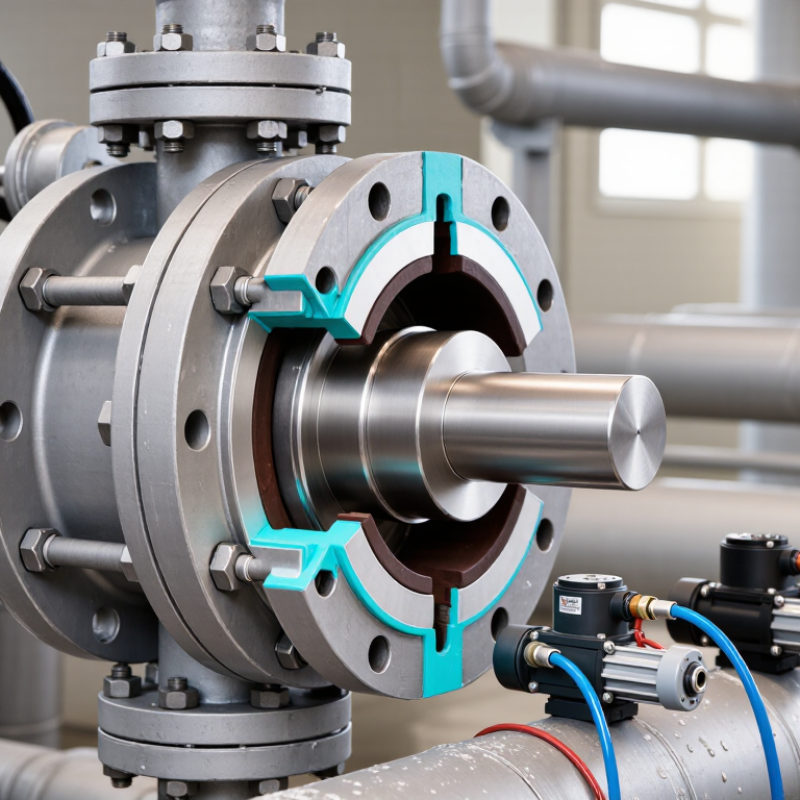
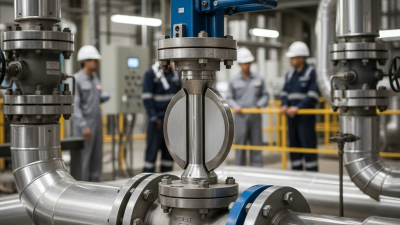
A desalination butterfly valve uses a rotating disc to open, isolate, or regulate flow in a pipe. A quarter-turn moves the disc between open and closed positions, making operation quick in large-diameter lines. It is compact, too, which helps where pipework is crowded. For precise flow control, though, confirm that the valve design suits the required operating range; not every butterfly valve performs well when left partly open.
Common locations include seawater intake lines, where valves isolate pumps and equipment during maintenance. Intake water may carry sand, shells, or other debris, so operators should consider disc wear and cleaning access. Small details matter. In pretreatment areas, butterfly valves often sit around media filters, cartridge-filter headers, and chemical-treatment lines. Material and seat choices need to match the water chemistry, temperature, and cleaning process.
They may also serve on product-water, wash-water, and brine discharge lines. Conditions differ sharply between these services. A valve suitable for a low-pressure outlet is not automatically suitable for a high-pressure reverse-osmosis feed line; check pressure rating and project specifications. Corrosion resistance deserves careful review, especially around chloride-rich seawater. It is tempting to choose by pipe size alone, but that can miss the real issue: the fluid, pressure, and maintenance conditions at the installation point.
| System Location | Typical Function | Common Valve Configuration | Key Selection Considerations |
|---|---|---|---|
| Seawater intake and conveyance | Isolates intake piping and supports flow control in large-diameter, relatively low-pressure lines. | Resilient-seated or lined butterfly valve; lug or flanged body according to piping layout. | Check seawater corrosion resistance, solids and debris exposure, operating pressure, seat compatibility, and whether the valve may be exposed to chlorination. |
| Screening and pretreatment | Isolates filters and pretreatment equipment, and directs flow through parallel treatment trains. | Resilient-seated or high-performance butterfly valve, selected for the process conditions. | Account for suspended solids, differential pressure, cleaning or backwash cycles, and the required shutoff performance. |
| Cartridge-filter inlet and outlet | Provides isolation for filter housings during inspection and element replacement. | Butterfly valve suited to the line pressure and available installation space. | Confirm the valve’s pressure rating and face-to-face dimensions. Verify that the disc and seat materials suit the treated seawater and cleaning chemicals. |
| Low-pressure reverse-osmosis feed | Isolates feed headers and equipment upstream of the high-pressure pump. | Resilient-seated or high-performance butterfly valve, as required by pressure and control duty. | Distinguish low-pressure feed piping from the high-pressure pump discharge. Check design pressure, pressure transients, and compatibility with antiscalants or other dosing chemicals. |
| High-pressure RO feed and membrane manifolds | Provides isolation only where the valve design is specifically rated for the line’s high pressure and service conditions. | High-performance or other pressure-rated butterfly valve; a butterfly valve is not automatically suitable for this duty. | Verify the applicable pressure class, shutoff requirements, body and trim materials, actuator capability, and project specifications. Specialized high-pressure valve designs may be required. |
| RO concentrate (brine) discharge | Isolates or regulates concentrate flow downstream of the membrane system. | High-performance butterfly valve or another valve type selected for the actual pressure and control duty. | Consider concentrated chloride exposure, pressure, flow velocity, erosion risk, and whether the valve is used for throttling or only isolation. |
| Energy-recovery equipment connections | Isolates equipment and connecting lines for maintenance or operational switching. | Pressure-rated butterfly valve where permitted by the equipment and piping design. | Check operating and transient pressures, cycling frequency, leakage requirements, and compatibility with the energy-recovery device manufacturer’s connection requirements. |
| Permeate (product-water) headers | Isolates product-water tanks, headers, and downstream treatment equipment. | Resilient-seated butterfly valve is commonly considered for suitable low-pressure service. | Confirm the valve materials are suitable for the water chemistry and any post-treatment chemicals. Check pressure rating, leakage class, and potable-water requirements where applicable. |
| Cleaning-in-place (CIP) piping | Routes cleaning solution and isolates the membrane cleaning circuit from normal process lines. | Butterfly valve with seat and disc materials compatible with the specified cleaning solutions. | Review the actual chemical concentrations, temperature, exposure time, and cleaning sequence. Compatibility varies by elastomer, coating, and metal grade. |
| Plant drains and utility-water lines | Provides general isolation for drainage, flushing, or service-water distribution. | Resilient-seated butterfly valve for compatible pressure and fluid conditions. | Check whether the line carries seawater, treated water, chemicals, or solids; select materials and pressure ratings for the specific service. |
Selection note: Confirm design pressure, temperature, fluid chemistry, solids content, required leakage performance, actuation method, and applicable project standards before specifying a valve. Material suitability depends on the complete operating conditions; verify it with the project engineer and valve documentation.