2026 Top Ductile Iron Butterfly Valve Features and Benefits?
The Ductile Iron Butterfly Valve has become a staple in various industries due to its remarkable durability and efficiency. According to a recent market analysis by Global Market Insights, the demand for Ductile Iron Butterfly Valves is projected to grow by 4.5% annually. This growth is a testament to the valve's effectiveness in controlling flow in water treatment, oil, and gas applications. Experts stress the importance of choosing the right materials for optimal performance. “The future of fluid control lies in the advancements of Ductile Iron technology,” states Dr. Linda Thompson, a renowned authority in valve engineering. Her insight reflects the increasing reliance on advanced materials in modern valve design.
These valves are favored for their lightweight design and high resistance to corrosion. However, challenges remain in ensuring uniform quality across manufacturing. Some models may not meet strict industry standards, leading to operational inefficiencies. It's crucial for engineers to be vigilant when selecting products. While the Ductile Iron Butterfly Valve presents numerous advantages, one must acknowledge the need for regular inspections and maintenance to prevent failures. As the industry evolves, the quest for innovation must continue, balancing reliability and advancements in technology.
Key Features of Ductile Iron Butterfly Valves in 2026
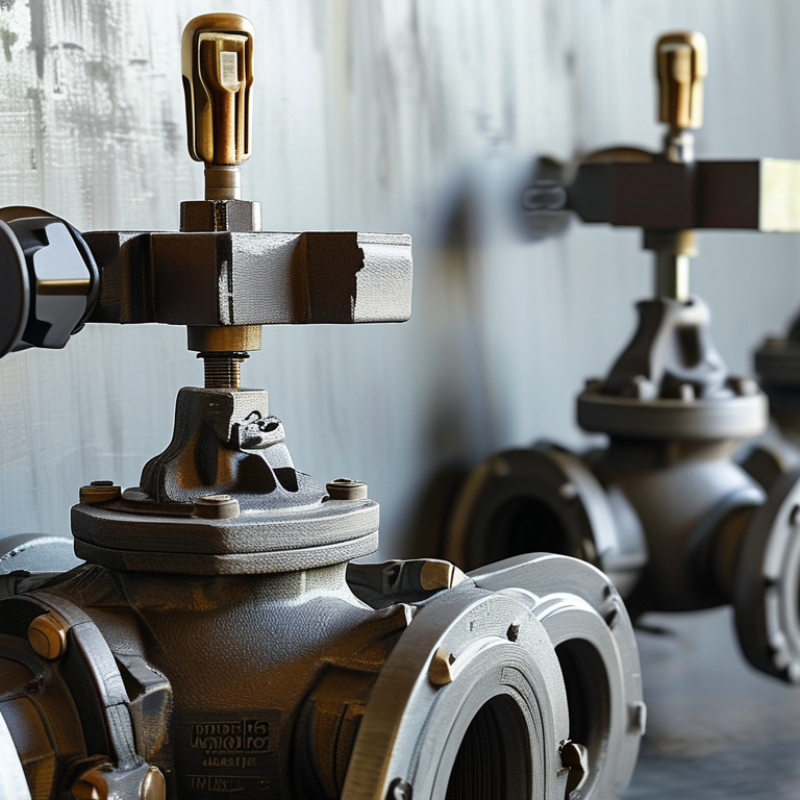
When examining ductile iron butterfly valves in 2026, several key features stand out. These valves offer exceptional strength due to their cast iron material, making them suitable for various industrial applications. Their lightweight nature allows for easier handling and installation, a valuable trait for busy facilities. The design promotes a quick shut-off, minimizing downtime during operations.
Another essential aspect is the resistance to corrosion. Ductile iron valves often include protective coatings that enhance durability, crucial for harsh environments. Some designs also feature improved sealing mechanisms, ensuring a tight fit and reducing leakage risks. These features not only improve system efficiency but also contribute to long-term cost savings.
Yet, challenges exist with these valves. Regular maintenance is necessary to avoid wear and tear. Some facilities report difficulties in sourcing compatible parts. Understanding these limitations is vital for effective implementation. A proactive approach aids in addressing potential failures before they escalate. Awareness of both advantages and shortcomings enhances decision-making for valve selection in diverse applications.
Advantages of Ductile Iron Butterfly Valves Over Other Materials
Ductile iron butterfly valves present numerous advantages over valves made of other materials. Their strength and durability make them a preferred choice in many industries. Ductile iron can withstand high pressure and temperature, which ensures a longer lifespan. Additionally, these valves offer excellent resistance to corrosion. This is particularly valuable in applications involving chemicals or harsh environments.
Another benefit is their lightweight nature compared to other materials, such as steel. This allows for easier handling and installation. Ductile iron valves also provide a tight seal, reducing the risk of leaks. Users can expect reliable performance in both water and gas systems. Furthermore, they require less maintenance due to their robust design.
When choosing a valve, consider the specific conditions of your application. Different environments may dictate the need for more corrosion resistance or thermal stability. Evaluate whether the weight and ease of installation will impact your project timeline.
Be aware that while ductile iron offers many benefits, challenges exist. For instance, they may be susceptible to specific forms of corrosion if not properly maintained. It's crucial to assess these factors closely during the selection process to ensure optimal performance.
2026 Ductile Iron Butterfly Valve Features and Benefits
This chart illustrates the key advantages of ductile iron butterfly valves compared to other materials. Each feature is rated on a scale of 0 to 100, highlighting the benefits in terms of corrosion resistance, weight, durability, cost-effectiveness, and temperature tolerance.
Applications of Ductile Iron Butterfly Valves in Various Industries
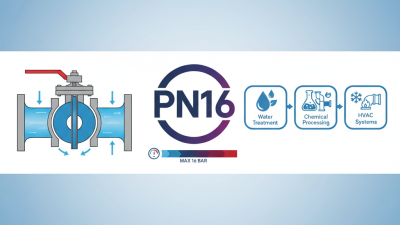
Ductile iron butterfly valves are increasingly vital across many industries. Their durability and resilience make them suitable for water treatment, chemical processing, and HVAC systems. A recent report by the Global Market Insights projected a growth rate of 5% annually for the ductile iron valve market. This growth is driven by expanding infrastructure needs and rising demand for efficient fluid control systems.
In the water supply sector, these valves help manage water flow effectively. They are resistant to corrosion and wear, ensuring long-term performance. A study conducted by the American Society of Mechanical Engineers found that valves made of ductile iron significantly outperform those made from traditional materials in terms of lifespan and maintenance costs.
The chemical industry also benefits from these valves. Their ability to handle various chemicals makes them essential in these processes. However, the need for regular inspections to ensure they meet safety standards is crucial. Often, users overlook this aspect, leading to potential risks. Ductile iron butterfly valves provide a mixture of reliability and efficiency, making them a popular choice in diverse applications.
Maintenance and Durability of Ductile Iron Butterfly Valves
Ductile iron butterfly valves offer significant advantages in maintenance and durability. Their resilience is largely attributed to the inherent properties of ductile iron, which combines strength with flexibility. A recent industry report by the American Society of Mechanical Engineers noted that ductile iron can withstand pressures exceeding 55,000 psi, making it ideal for various demanding applications.
Regular maintenance plays a critical role in the longevity of these valves. Inspections should focus on the sealing surfaces and the disc's movement. Studies show that neglecting these checks can lead to premature wear. For instance, about 30% of valve failures result from insufficient lubrication in the actuator mechanism. Simple measures, like keeping the valve clean, can significantly extend operational life.
Another factor to consider is the operating environment. In corrosive settings, even ductile iron can suffer without proper coatings. While these valves are generally durable, understanding specific environmental challenges is essential for effective deployment. Operating temperatures and fluid media characteristics must be monitored. Not all installations adhere to optimal conditions, highlighting the need for strategic planning in valve deployment and management.
Innovations and Trends in Ductile Iron Butterfly Valve Design for 2026
The ductile iron butterfly valve is evolving. Innovations are reshaping its design for 2026. Manufacturers are focusing on enhanced durability and efficiency. New materials are being tested to withstand harsh conditions. These changes aim to improve lifespan and reliability.
One notable trend is the integration of smart technology. Smart actuators allow for remote monitoring and control. This feature enhances functionality and reduces maintenance downtime. Additionally, the designs are more compact and lightweight. This makes installation easier in various settings.
Sustainability is also a key focus. Eco-friendly coatings are being developed to reduce environmental impact. However, some challenges remain in balancing cost with these innovations. The industry must reflect on these obstacles while striving for better solutions. Embracing innovation while addressing practicality will define the future of ductile iron butterfly valves.
2026 Top Ductile Iron Butterfly Valve Features and Benefits
| Feature |
Description |
Benefits |
| Corrosion Resistance |
Use of high-grade Ductile Iron with protective coatings. |
Extended service life and reduced maintenance costs. |
| Lightweight Design |
Innovative design reduces weight compared to traditional valves. |
Easier installation and handling. |
| Enhanced Sealing Performance |
Advanced seat designs improve sealing capabilities. |
Minimized leakage and improved efficiency. |
| Temperature and Pressure Tolerance |
Ability to withstand extreme conditions. |
Versatile application in various industries. |
| Actuation Options |
Various actuation methods including manual, electric, and pneumatic. |
Flexibility to suit different operational needs. |
| Sustainability |
Compliant with eco-friendly manufacturing practices. |
Supports environmental goals and initiatives. |