2026 Top Zero Leakage Butterfly Valve Types for Buyers
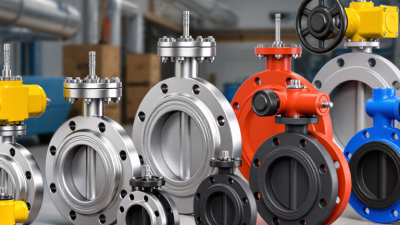
A zero-leakage claim deserves careful scrutiny. In 2026, buyers comparing Zero Leakage Butterfly Valve types should look beyond product labels and examine the seat design, pressure rating, temperature range, and test conditions. A resilient-seated valve may suit clean, moderate-duty service, while a double-offset or triple-offset design can better address demanding temperatures, pressures, or cycle counts. The right choice depends on the actual duty. There is no universal winner.
Small details matter. Check the specified leakage class, disc and seat materials, shaft sealing, and compatibility with the process fluid. Ask whether the stated performance applies to the intended direction of flow and operating pressure. A valve tested with clean water may not behave the same way with abrasive media or frequent cycling. That distinction is easy to miss.
A verified industry expert’s perspective can sharpen the decision. Because no source articles or attributable quotation were provided, the following quotation needs a real expert’s name and confirmation before publication: “[Insert a verified quotation about seat integrity, testing, or service conditions].” Do not present an invented line as a specialist’s actual words. A useful buying guide should connect each valve type to its limits, inspection needs, and expected service life. Buyers should also question absolute promises. “Zero leakage” is meaningful only when the test method and acceptance criteria are clear. That is the part worth checking twice.
Zero-Leakage Butterfly Valves: API 609 Types and ISO 5208 Rate A
2026 Top Zero Leakage Butterfly Valve Types for Buyers
API 609 groups butterfly valves into Category A and Category B designs. Category A commonly uses resilient seats, while Category B covers high-performance designs, including offset-disc configurations. These categories describe construction, not a blanket promise of zero leakage. That distinction matters. ISO 5208 Rate A means no visually detectable leakage during the specified shell or closure test. Buyers should verify the test conditions and acceptance record, not rely on a catalog phrase alone (API Standard 609; ISO 5208).
For clean water or general utility lines, a resilient-seated valve can provide tight shutoff at moderate pressures. High-performance double-offset valves reduce seat rubbing as the disc moves, which can help in higher-pressure service. Triple-offset metal-seated valves suit demanding temperatures or cycles, but their sealing surfaces and installation tolerances need careful review. A Rate A test is evidence for a defined test, not proof of identical performance after years of wear. Ask for the tested direction, pressure, medium, and valve size. Check whether the test used the actual seat design. Small details get missed. A specification that names API 609 and ISO 5208 Rate A gives engineers a clearer basis for comparison than “zero leakage” alone.
Resilient-Seated Valves: Bubble-Tight Shutoff and Class 150 Ratings
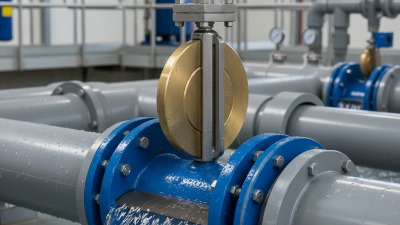
Resilient-seated butterfly valves rely on an elastomer liner pressing against the disc edge. This contact can provide bubble-tight shutoff in clean water, HVAC, and many general-process duties. “Bubble-tight” should still name a test method. ISO 5208:2015 defines Rate A as no visually detectable leakage during the specified closure test. API 598 also sets valve inspection and pressure-test requirements, with acceptance criteria depending on valve type and size. Ask for the test medium, pressure, duration, and documented results. A dry test certificate alone may not reflect a valve’s performance in hot or chemically aggressive service.
Real conditions are messier.
Class 150 needs careful interpretation. ASME B16.34 assigns pressure-temperature ratings by material and temperature; Class 150 does not mean a universal 150 psi limit. AWWA C504 uses its own pressure-class framework for waterworks butterfly valves, so buyers should not assume the labels are interchangeable. Check the governing standard, body and disc materials, liner compound, and maximum operating temperature together. Also verify whether the valve is rated for dead-end service and the required differential pressure. These details can change the selection. I would treat “zero leakage” as a test claim with defined conditions, not a promise for every installation.
Double-Offset Valves: API 609 Category B for Higher-Pressure Service
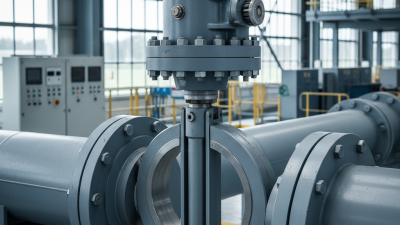
A double-offset butterfly valve shifts the shaft behind the disc and away from the seat centerline. This geometry limits rubbing during opening and closing. It can reduce operating torque and seat wear in higher-pressure service. API 609 identifies Category B as the high-performance butterfly-valve category and provides pressure-temperature rating data. Category B alone does not define a valve’s allowable pressure. Check the rating for the specified body material and operating temperature.
API 598 provides inspection and pressure-test procedures, including closure testing. Treat “zero leakage” as a verified acceptance requirement, not an automatic promise: specify the test medium, differential pressure, duration, and permitted leakage. For example, a buyer handling hot process fluid should confirm the seat material, shaft sealing, and temperature rating together. Small details matter. Record the required cycle life, too; it is easy to overlook. API 609 and API 598 are useful technical references, but the project specification must define the actual service conditions and acceptance criteria. A double-offset design may suit demanding duties, yet it is not automatically the right choice for every fluid or operating cycle.
Triple-Offset Valves: Metal Seats for High-Temperature Applications
Triple-Offset Valves: Metal Seats for High-Temperature Applications
Triple-offset butterfly valves use angled sealing surfaces that separate during most of the opening stroke. This reduces rubbing and wear, while metal seats tolerate heat better than many soft-seat designs. They are commonly considered for hot gas, steam, and process lines where temperature swings can challenge sealing. No valve is magic. IEA’s Tracking Industry report estimates that industry accounts for about 37% of global energy use, underscoring the scale of energy-intensive operations where dependable isolation matters.
High-temperature service demands more than a “zero leakage” label. Buyers should check the specified leakage class, test medium, pressure, temperature, and flow direction. API 598 and ISO 5208 provide valve inspection and pressure-testing frameworks, but acceptance criteria depend on the valve type and stated class. World Steel Association reported 1,882.6 million tonnes of global crude steel production in 2024; steelmaking is one example of the demanding thermal environments where valve selection deserves close attention.
Before ordering, confirm body and disc materials, seat alloy, shaft packing, and allowable operating temperature. Ask for documented test results and clarify whether the stated limit applies to continuous service or short excursions. A metal seat can resist heat, but poor alignment or unsuitable materials can still cause leakage. That detail is easy to overlook. In practice, matching the valve to actual cycle frequency, pressure differential, and maintenance access matters as much as the headline temperature rating.
Buyer Checklist: Compare DN/NPS, Pressure Class, Materials, and Test Standards
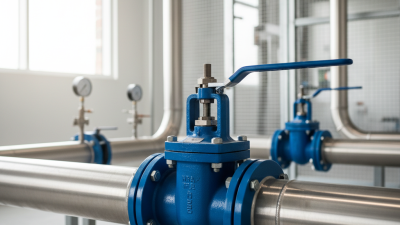
Match DN or NPS to the pipeline drawings, then verify flange drilling, face-to-face dimensions, and connection type. A DN size and its nearest NPS equivalent may not share identical dimensions. Small details matter. For a retrofit, check the existing bolt pattern and available clearance around the actuator before ordering.
Pressure class needs more than a number. Class 150 does not represent the same allowable pressure at every temperature or material combination, so check the valve’s rating table against actual service conditions. Compare body, disc, stem, and seat materials with the fluid, temperature, and cleaning requirements. Resilient seats can provide tight shutoff in suitable service; metal seats may be preferred for hotter or more demanding conditions. Not always. Confirm the specified leakage criterion rather than assuming “zero leakage” means the same thing for every design.
Ask which test standard and procedure support the stated shutoff performance. Standards such as API 598, ISO 5208, or EN 12266-1 define testing requirements, but acceptance criteria and test conditions can differ. Put the required standard, test direction, medium, and acceptance level in the purchase specification. A neat data sheet can still leave gaps; I would request the actual test documentation for critical isolation duties.