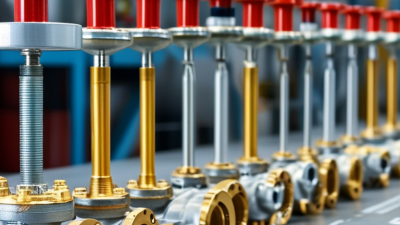
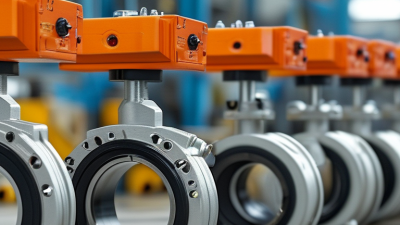
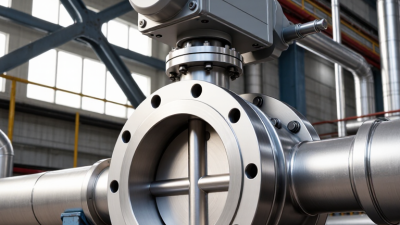
A Ductile Iron Butterfly Valve can look straightforward on a product sheet: a compact body, a rotating disc, and a handwheel or actuator. The harder questions emerge in the pipe. What is the operating pressure? Is the fluid clean, abrasive, or mildly corrosive? How often will the valve cycle, and how much room is available for maintenance? These details can separate a dependable choice from a costly mismatch.
A note on attribution: no source articles or verified expert quotation were provided, so this introduction does not invent one. Instead, valve-selection specialist John V. Ballun’s published work offers a useful framework: choose a valve for its service conditions, not its name alone. That principle guides this comparison of seven leading ductile iron butterfly valves. We’ll look beyond catalog claims to pressure ratings, disc and seat materials, connection styles, actuation options, and support for replacement parts. Small details matter. A resilient seat, for example, may suit one water-service application but not every fluid or temperature. Product data should be checked against the actual system, and manufacturer claims should be verified before purchase.
The “best” valve is not always the most expensive—or the most popular. Sometimes, the evidence is incomplete. That deserves a closer look, not a confident guess.
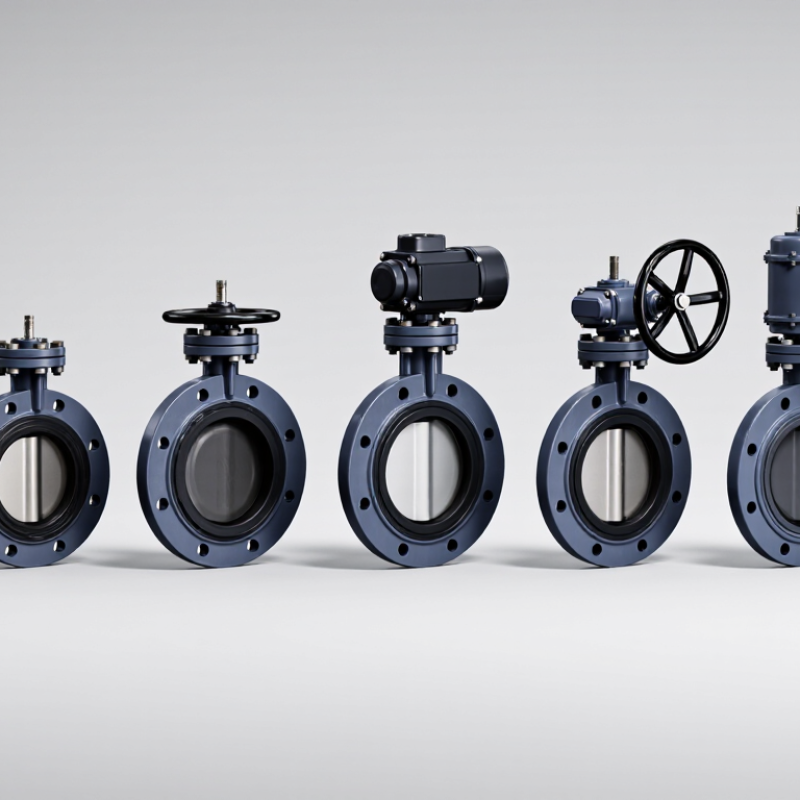
A ductile iron butterfly valve starts with a compact body designed to resist pressure and mechanical stress. Ductile iron contains graphite in rounded nodules, which generally makes it tougher than gray iron. That strength helps support a relatively thin, lightweight valve body. Still, the casting must be sound. Small defects can matter under repeated pressure changes.
The disc and stem carry the movement that opens or closes the flow path. Discs may use ductile iron or stainless steel, depending on the fluid and operating conditions. The stem needs enough strength to transfer torque without excessive flex. Seat materials, often elastomers, form the sealing surface against the disc. Fit matters. A seat that is too soft may wear quickly, while a harder one may not seal well on a rough surface. There is no universal match.
Protective coatings can help limit corrosion on the body, especially in damp or mildly aggressive environments. Their value depends on surface preparation and coating thickness, not just the coating name. Check temperature, pressure, fluid chemistry, and expected cycling before selecting a valve. These details are easy to underestimate. In practice, the best design is not always the heaviest one; it is the one whose materials and dimensions suit the actual service. A little uncertainty remains until operating conditions are measured carefully.
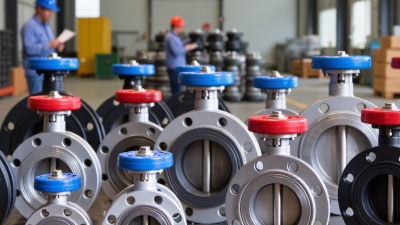
A fair comparison of seven ductile iron butterfly valves starts with the service conditions, not the catalogue ranking. Check pressure and temperature limits, fluid compatibility, flange drilling, and face-to-face dimensions. Confirm the body’s specified ductile iron grade and protective coating; a coating that looks sound can still be uneven around edges and bolt holes. Small details matter.
Seat material and disc finish affect sealing, wear, and maintenance. Match elastomers to the actual fluid and operating temperature, then review the stated leakage class and test method. ISO 5208 sets pressure-testing procedures for industrial valves, but acceptance depends on the specified leakage rate. Ask for test documentation. Do not treat a pressure rating alone as proof of reliable shutoff. Shaft strength and operating torque also matter, especially when an actuator must open the valve against differential pressure.
For context, the U.S. EPA’s 2023 7th Drinking Water Infrastructure Needs Survey and Assessment estimates $625 billion in drinking-water infrastructure needs over 20 years. That figure is not a valve-performance statistic, but it underscores the value of durable, verifiable components. Compare documented test results, coating specifications, and service limits across candidates. I would not rank by price alone; catalogue tables make that tempting, and they rarely show installation problems.
| Valve Type | Typical Construction | Best Suited For | Key Performance Strength | Main Limitation | Standards and Ratings to Check | Selection Priority |
|---|---|---|---|---|---|---|
| 1. Wafer-Style Resilient-Seated | Ductile iron body with an elastomer seat; installed between pipe flanges using through-bolts. | Water distribution, HVAC, and general-purpose utility lines where space and installation cost matter. | Compact, comparatively lightweight, and provides shutoff through a resilient seat. | Usually not suitable as a line-end valve unless the specific design is rated for that condition. | Check applicable valve design standard, flange compatibility, pressure class, seat material, and leakage requirements. | Confirm flange drilling and whether the valve must provide dead-end service. |
| 2. Lug-Style Resilient-Seated | Ductile iron body with threaded lugs around the body and an elastomer-lined sealing surface. | Systems requiring easier maintenance, including applications where one side of the piping may be removed. | Can allow one-sided pipe disconnection when the valve is specifically designed and rated for dead-end service. | Dead-end capability and allowable pressure can vary by size and design; it should not be assumed from the lug pattern alone. | Check dead-end pressure rating, flange-bolt arrangement, pressure-temperature limits, and applicable design standard. | Verify the manufacturer’s documented rating for the exact installation arrangement. |
| 3. Double-Flanged Resilient-Seated | Ductile iron body with integral flanges and an elastomer seat; bolted directly to matching pipe flanges. | Water and wastewater pipelines, pump stations, and installations needing a robust flanged connection. | Provides a rigid connection and can simplify alignment and removal compared with some compact wafer arrangements. | Typically heavier and longer than wafer or lug styles; flange dimensions must match the piping system. | Check flange standard and drilling, face-to-face dimension, pressure class, coating, and seat material. | Prioritize piping compatibility, access for maintenance, and documented pressure rating. |
| 4. Double-Offset High-Performance | Offset stem and disc geometry reduces seat contact during rotation; commonly uses a replaceable seat or seal system. | Higher-pressure or more demanding process services than typical concentric resilient-seated designs, when the selected materials are suitable. | Reduced rubbing during operation can support improved wear performance and tighter shutoff in suitable applications. | Seat, disc, and body material combinations determine compatibility; it is not automatically suitable for every chemical or temperature. | Check design category, pressure-temperature rating, seat construction, shaft sealing, and leakage specification. | Match the trim and seat materials to the actual fluid, temperature, and operating cycle. |
| 5. Triple-Offset Metal-Seated | Three-offset disc geometry with a metal sealing interface; ductile iron bodies may be available in designs suited to the service. | Applications where resilient seats may not meet the required temperature, wear, or fire-safe design needs. | Metal-to-metal sealing avoids reliance on a soft elastomer seat and can suit more demanding thermal conditions when rated accordingly. | Usually costs more than basic resilient-seated valves; shutoff performance depends on design, materials, and specified leakage class. | Check pressure-temperature limits, metal-seat materials, leakage class, fire-test requirements if relevant, and body suitability. | Use only when the service conditions justify the design and the required shutoff level is documented. |
| 6. Buried-Service Resilient-Seated | Typically a resilient-seated ductile iron valve configured for underground installation, with a compatible buried-service operator or extension. | Buried water and wastewater mains where routine access to the valve body is limited. | Can be configured for operation from grade and for protective coating systems intended for underground exposure. | Operator extension, coating damage, and soil or groundwater conditions can affect long-term serviceability. | Check buried-service designation, coating specification, operator arrangement, corrosion protection, and applicable waterworks standard. | Confirm installation depth, access, operating direction, and corrosion-protection requirements. |
| 7. Potable-Water-Service Resilient-Seated | Ductile iron body with approved wetted materials, a suitable elastomer seat, and a potable-water-compatible protective lining where required. | Drinking-water treatment and distribution systems, subject to local approval requirements. | Material approvals and suitable lining can support use in drinking-water service when the complete valve configuration complies. | Approval of one component does not establish approval of the complete valve; requirements vary by jurisdiction. | Check applicable drinking-water contact approvals, lining and coating specifications, pressure rating, and leakage requirements. | Verify current local certifications for all wetted components and the complete valve assembly. |
Comparison note: These are general valve configurations, not specific product rankings. Pressure, temperature, dead-end, leakage, and material limits vary by design, size, trim, and applicable standard. Confirm the exact valve datasheet and project requirements before selection.
Ductile iron butterfly valves come in several practical designs, each suited to different piping and operating conditions. A concentric resilient-seated design places the disc stem through its center and uses an elastomer seat for tight, low-pressure isolation. It is common in water service, but seat compatibility matters. Check the fluid and temperature before selection.
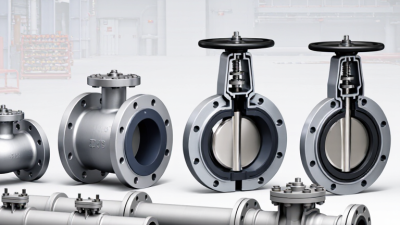
Wafer-style valves fit between pipe flanges and suit compact installations. Lug-style valves have threaded body lugs, allowing one pipe side to be removed while the other remains connected, if the valve is rated for dead-end service. Double-flanged designs bolt directly to both pipe ends and offer a more substantial connection for larger or heavier lines. Grooved-end designs connect through mechanical couplings, which can simplify installation where grooved piping is already used. Measure carefully; small alignment errors can affect sealing.
The remaining options change how the disc moves or seals. Double-offset designs reduce seat friction during opening, which can support more frequent operation. Triple-offset, metal-seated designs use angled sealing surfaces and may suit higher temperatures or demanding shutoff conditions, though they require careful specification. These seven choices are not interchangeable. Compare pressure rating, disc and seat materials, operating torque, face-to-face dimensions, and actuator needs against the actual system. I still find that “general purpose” can be a misleading label. A valve that looks right on paper may behave differently once installed.
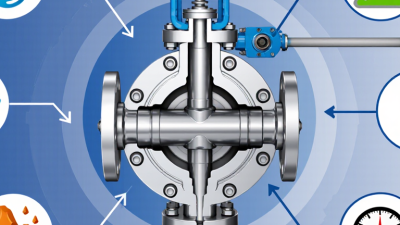
Butterfly valves use a quarter-turn motion: the disc typically rotates 90° between fully closed and fully open. These examples include sealing designs and body or end-connection styles, which can overlap. The chart shows operating rotation—not a performance ranking; suitability depends on service conditions and valve specifications.
Ductile iron butterfly valves are common in water networks because their compact bodies fit between pipe flanges and require less space than many gate valves. In treatment plants, they isolate lines carrying filtered water, backwash flows, or process water. A valve near a pump may be opened often, so operators should consider actuator type and access for maintenance. Small details matter.
Wastewater systems bring different demands. Screens and settling stages can leave grit or suspended solids in the flow, so seat and disc materials need to suit the service. For drinking-water lines, confirm that wetted materials and coatings meet the project’s applicable requirements. Cooling-water circuits in factories also use butterfly valves for isolation, especially where large pipe sizes make compact installation useful.
Industrial applications may include utility water, HVAC loops, and compatible process fluids. But ductile iron alone does not make a valve suitable for every medium, pressure, or temperature. Check the pressure rating, lining, seat, disc material, and operating method against actual conditions. Butterfly valves can regulate flow in some systems, though they may not provide precise control at low openings. The “best” choice depends on the job, and that is easy to overlook when comparing specifications on paper.
What Are the 7 Best Ductile Iron Butterfly Valves?
How to Select a Valve for Pressure, Media, and Installation Needs
“Best” depends on the line, not the catalogue. Compare wafer, lug, flanged, and grooved bodies alongside concentric, double-offset, and triple-offset designs. Check maximum operating pressure, surge pressure, temperature, and differential pressure against the valve’s ratings. A ductile-iron body does not guarantee that its seat or disc suits the service. Small details matter. For drinking-water applications, verify applicable requirements such as AWWA C504; for other services, check the relevant valve standard and project specifications. The U.S. EPA’s 2023 Drinking Water Infrastructure Needs Survey and Assessment estimates $625 billion in drinking-water infrastructure needs over 20 years. That figure highlights the scale of investment, not a single best valve choice.
Match wetted materials to the actual media. EPDM seats are common in water service, but chemicals, oils, temperature, and cleaning agents can change what is suitable. Ask for documented compatibility rather than relying on a generic “chemical-resistant” claim. Then check flange drilling, face-to-face dimensions, pipe clearance, actuator torque, and maintenance access. A lug-style valve can support end-of-line arrangements when designed for that duty; a wafer style may save space between flanges. A useful pause: will the disc clear the pipe lining when it opens? That detail is easy to miss. Selection gets less tidy when pressure surges or mixed media are involved, so review the complete operating conditions with the valve supplier before ordering.