request to quote
Leave Your Message

What Are the 7 Best IP67 Butterfly Valves for Buyers?

Choosing the right Ip67 Butterfly Valve requires more than comparing prices, body materials, and attractive product photographs. Buyers need dependable isolation in wet, dusty, and occasionally flooded environments. An IP67 enclosure rating indicates protection against dust and temporary immersion, but it does not automatically confirm pressure performance or long-term durability.

Philip L. Skousen, author of Valve Handbook, offered a practical reminder: “Valve selection is a system decision, not a catalog decision.” That principle guides this comparison. A reliable valve must match the pipeline diameter, operating pressure, temperature, media, actuator, and installation space. A valve handling chilled water may perform poorly with abrasive slurry. Small details matter, including shaft sealing, seat design, flange alignment, and corrosion resistance around the disc edge.

This guide examines seven strong Ip67 Butterfly Valve choices for industrial buyers. The selection considers resilience, sealing consistency, actuation options, maintenance access, and documented testing. Some models may appear excellent on paper. Real performance can still depend on installation quality. Even the best valve can leak when bolts are unevenly tightened or the pipe is misaligned.

That is worth remembering.

The “best” option is not universal. A stainless-steel valve may suit coastal equipment, while a ductile-iron model may offer better value in a protected plant room. Buyers should also question unclear IP claims and request test documentation. I may favor robust construction over the lowest purchase price, but that preference is not perfect for every budget or application. The final decision should balance safety, service life, operating efficiency, and practical replacement needs.
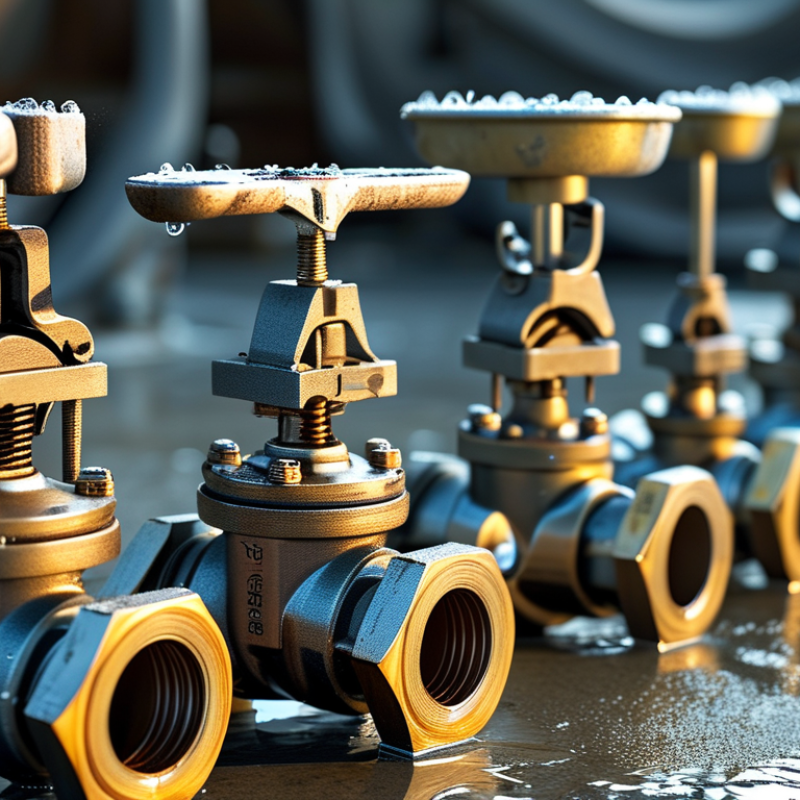
What Are the 7 Best IP67 Butterfly Valves for Buyers?

What Defines an IP67 Butterfly Valve?

An IP67 butterfly valve combines a quarter-turn disc mechanism with a protected actuator enclosure. The IP code describes ingress protection, not the valve’s pressure class or flow capacity. The first digit, 6, means the enclosure is dust-tight. The second digit, 7, indicates protection against temporary immersion, commonly up to one meter for 30 minutes under controlled testing.

In practical applications, protection depends on more than the actuator housing. Cable glands, terminal covers, shaft seals, and inspection plugs must remain correctly fitted. A small gap around a cable entry can defeat an otherwise strong enclosure. The valve body may resist water, while the electric actuator still requires careful installation. This distinction is often missed.

Buyers should request test documentation and confirm the exact protected component. Check whether the IP67 rating applies to the complete assembly or only the actuator. Outdoor mounting also demands attention to condensation, ultraviolet exposure, temperature changes, and cable orientation. A downward-facing cable loop can reduce water entry. It is a simple detail.

The disc material, seat design, stem construction, and operating torque still determine service performance. IP67 does not guarantee chemical resistance, continuous underwater operation, or reliable sealing under every pressure condition. Field inspection should include damaged covers, loose fasteners, and hardened elastomers. Certification helps, but installation quality remains decisive. Mistakes happen. Clear specifications prevent expensive assumptions.
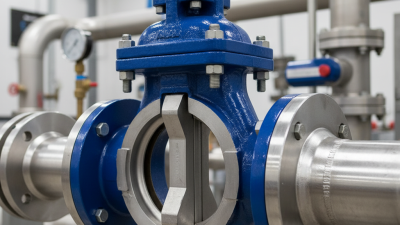
How to Compare the Seven Leading IP67 Butterfly Valve Types

When comparing the seven leading IP67 butterfly valve types, buyers should separate valve design from enclosure protection. IP67 usually describes the actuator or control housing, not the entire valve assembly. A wafer valve is compact and economical between flanges. A lug valve allows section removal without disturbing the full pipeline. Flanged versions suit larger systems and higher installation stability. That detail matters.

Resilient-seated valves provide dependable shutoff for water and general utility service. Double-eccentric designs reduce seat friction and usually support larger pipelines. Triple-eccentric valves handle demanding temperatures, pressures, and fire-safe applications, but they often cost more. Lined butterfly valves protect the disc and body from selected corrosive media. Their compatibility must be checked against concentration and temperature, not guessed from a catalog.

Compare each type by pressure class, face-to-face dimensions, disc material, shaft construction, and seat replacement method. Then inspect the IP67 enclosure test information, cable glands, corrosion protection, and manual override. A sealed actuator is useful only when installation keeps water away from unprotected connections. Consider torque margins carefully, especially with dirty fluids or infrequent operation. Smaller valves may use electric actuators, while larger units often require pneumatic control. I have found that maintenance access is easily overlooked. It should not be. A cheaper valve can become expensive when its seat, actuator, or mounting pattern does not match the existing system. Allow room for uncertainty, because real pipeline conditions rarely stay as clean as design data suggests.

What Are the 7 Best IP67 Butterfly Valves for Buyers?

Comparison of seven leading butterfly valve types by representative pressure rating.

IP67 refers to the protection rating of the actuator or electrical enclosure: dust-tight and protected against temporary immersion up to 1 metre for 30 minutes under IEC 60529 testing conditions. The pressure values shown are representative industry ratings and can vary with valve size, body material, seat design, temperature, and application. Buyers should verify the complete valve-and-actuator assembly before selection.

Key Materials, Sealing Systems, and Pressure Ratings

What Are the 7 Best IP67 Butterfly Valves for Buyers?

The seven best IP67 butterfly valves are not chosen by rating alone. IP67 confirms protection against dust and temporary water immersion. It does not define the valve’s pressure capacity. That distinction matters in pump rooms, outdoor pipelines, and washdown areas. A practical inspection should check the body, gearbox, stem, and actuator enclosure separately.

Materials control service life. Common choices include ductile iron with EPDM, stainless steel with PTFE, carbon steel with NBR, and cast iron with FKM. These combinations suit different fluids and temperatures. EPDM handles water well but performs poorly with many oils. NBR offers better oil resistance, while PTFE supports aggressive chemicals and higher temperatures. FKM can resist heat, but its cost may challenge smaller projects. Seven options can look similar on paper. They are not identical in service.

Sealing design deserves close attention. A resilient liner may provide tight shutoff, while a metal seat tolerates heat and abrasive particles better. Check stem sealing, flange compatibility, and replacement access before ordering. Pressure ratings such as PN10, PN16, and Class 150 must match the pipeline design pressure. Never treat a higher rating as automatic safety. Temperature, cycling frequency, and water hammer can reduce the real operating margin. A modest valve, correctly specified, often outperforms an expensive valve selected by appearance. I have found catalog pressure figures easy to trust, sometimes too easy. Supplier test reports and installation records deserve equal weight.

What Are the 7 Best IP67 Butterfly Valves for Buyers? - Key Materials, Sealing Systems, and Pressure Ratings

No. Recommended Valve Configuration Typical Size Range Body Material Disc Material Seat and Sealing System Typical Pressure Rating Temperature Range IP67 Protection Scope Best-Fit Applications
1 Resilient-Seated Wafer Valve
Compact and economical general-service option
DN50–DN600
2–24 in
Ductile iron, commonly EN-GJS-400-15 or equivalent Stainless steel or nickel-plated ductile iron EPDM liner; resilient bubble-tight shutoff; stem isolated from the medium PN10/PN16; Class 150 versions are also common Approximately −10°C to 120°C, depending on the seat compound IP67-rated electric actuator or control enclosure; the valve body itself is not normally assigned an IP code Water distribution, chilled water, HVAC, and low-corrosion utility lines
2 Resilient-Seated Lug Valve
Suitable for dead-end service and easier line isolation
DN50–DN400
2–16 in
Ductile iron or carbon steel 316 stainless steel or coated ductile iron EPDM or NBR seat; replaceable liner on many designs; double-flange lug pattern PN10/PN16 or ASME Class 150 EPDM: typically −10°C to 120°C; NBR: typically −10°C to 80°C IP67 actuator enclosure protects against temporary immersion up to 1 m under specified test conditions Pump stations, water treatment, fire-water systems, and terminal pipelines
3 Wafer Valve with PTFE Seat
Low-friction option for chemically demanding fluids
DN50–DN300
2–12 in
Carbon steel or stainless steel 316 stainless steel, often polished or electropolished Virgin PTFE or reinforced PTFE seat; PTFE stem packing and compatible elastomer backup seals PN10/PN16; pressure capability may reduce at elevated temperature Approximately −20°C to 180°C, subject to PTFE grade and pressure derating IP67-rated actuator and terminal enclosure; chemical resistance depends on the valve materials, not the IP rating Mild chemical service, laboratory utilities, water treatment chemicals, and corrosive process lines
4 High-Performance Double-Offset Valve
Reduced seat wear and improved operating efficiency
DN80–DN1200
3–48 in
Carbon steel, ductile iron, or stainless steel 316 stainless steel or duplex stainless steel Laminated stainless-steel and graphite seat, or metal-to-metal seat for higher temperatures PN10–PN25; Class 150 and Class 300 designs are available Approximately −29°C to 300°C, depending on seat and packing materials IP67 electric actuator, gearbox limit-switch box, or junction enclosure; verify the rating for each mounted component Steam, hot water, cooling systems, air handling, and industrial process piping
5 Triple-Offset Metal-Seated Valve
Preferred for high-temperature and critical isolation duties
DN100–DN1600
4–64 in
Carbon steel, low-temperature carbon steel, or stainless steel 316 stainless steel, alloy overlays, or nickel-based alloys Laminated metal seal or fully metal-to-metal conical seal; graphite packing is common PN16–PN40; ASME Class 150–Class 600 configurations are common Approximately −29°C to 425°C or higher with suitable materials and design review IP67 actuator and electrical accessories help protect outdoor controls; they do not define the valve's temperature or pressure rating Steam, hot gas, thermal oil, power generation, refining, and high-temperature isolation
6 Sanitary Butterfly Valve
Hygienic design with cleanable internal surfaces
DN25–DN200
1–8 in
304 or 316L stainless steel 316L stainless steel EPDM, silicone, or PTFE hygienic seals; clamp, weld, or flanged sanitary connections Typically 6–10 bar, depending on size, connection, and seal design Approximately 0°C to 120°C for EPDM; higher temperatures require validated seal materials IP67-rated actuator is suitable for washdown exposure and temporary immersion; hygienic certification must be checked separately Food and beverage, dairy, brewing, cosmetics, and pharmaceutical utility systems
7 Double-Flanged High-Pressure Valve
Robust option for larger pipelines and demanding shutoff duties
DN200–DN2000
8–80 in
Ductile iron, carbon steel, or cast stainless steel Stainless steel or duplex stainless steel EPDM, NBR, PTFE, or metal-laminated seat selected according to the medium PN16–PN40; Class 150–Class 300 options are widely used Approximately −20°C to 200°C for resilient seats; metal-seat designs can support higher temperatures IP67-rated actuator, local control station, and cable entries should be specified individually for outdoor installation Large-diameter water mains, desalination, industrial cooling, seawater service, and transmission pipelines

Buyer’s note: IP67 is an enclosure protection classification under IEC 60529 and normally applies to the electric actuator, motor, control box, or terminal enclosure—not automatically to the valve body. Confirm the applicable flange standard, pressure-temperature curve, seat compatibility, leakage class, actuator torque, and certification before purchase.

Installation, Maintenance, and Environmental Protection Considerations

IP67 Butterfly Valves: Installation, Maintenance, and Environmental Protection

Correct installation begins before the valve reaches the pipe. Check the IP67 enclosure, shaft seal, flange faces, and actuator cable glands for damage. Keep the disc partly open during positioning. This reduces contact with the seat. Align both flanges carefully. Excessive bolt pressure can distort the valve body. Leave enough clearance for the disc to rotate fully. A simple dry cycle can reveal misalignment before water, dust, or process media enters the line.

Maintenance should follow the actual environment, not only the calendar. Inspect fasteners, seals, wiring, and external coatings during routine shutdowns. Remove grit from the actuator housing and check for trapped water near cable entries. IP67 protection limits dust ingress and temporary immersion under specified test conditions. It does not guarantee permanent submersion or chemical resistance. That distinction is often missed. Test the valve through its complete travel, then compare movement and torque with previous records.

Environmental protection also depends on installation details. Use suitable cable glands and keep drainage paths clear. In coastal, washdown, or dusty areas, inspect corrosion more frequently. Avoid directing high-pressure jets at seals and electrical joints. Confirm that temperature, chemicals, and vibration remain within the manufacturer’s stated limits. A valve may survive rain yet fail after repeated thermal cycling. That is the part many buyers underestimate. When conditions change, review the enclosure, sealing materials, and maintenance interval instead of trusting the IP67 label alone.

How Buyers Can Select the Right IP67 Butterfly Valve

What Are the 7 Best IP67 Butterfly Valves for Buyers?

Choosing the right IP67 butterfly valve starts with the installation, not the catalogue photo. IP67 confirms dust-tight protection and temporary immersion resistance under defined test conditions. It does not prove pressure performance or complete water resistance during continuous submersion. Confirm the rating for the actuator, terminal box, cable glands, and position indicator. A sealed housing is useless if one cable entry remains exposed.

Compare seven suitable valve options by body style, disc material, seat compound, pressure class, and operating torque. Wafer valves often suit compact pipelines, while lug and flanged designs offer different maintenance advantages. Match the seat to the fluid and temperature. EPDM may suit water service, while other fluids require a more resistant compound. Check the disc for corrosion resistance, especially near saltwater, chemicals, or frequent washdown areas. Ask for pressure-test records, dimensional drawings, cycle data, and traceable material certificates. These documents show more than confident sales language.

Electric and pneumatic actuators need careful sizing. Select at least the required torque, but avoid excessive force that can damage the seat. Consider power failure behavior, manual override, feedback signals, and control compatibility. During a site inspection, look for condensation, damaged glands, and uneven mounting. I have seen technically correct valves fail because the pipe was poorly aligned. That detail is easy to miss. A practical shortlist should also include spare-seat availability, service access, warranty terms, and realistic delivery times. “Best” depends on the duty, environment, and maintenance skill available.