The source articles were not included, so I can’t verify industry-report figures or an expert’s exact quotation. Please provide the articles or a citable report and expert quote; otherwise, attributing a statement or statistic could mislead readers.
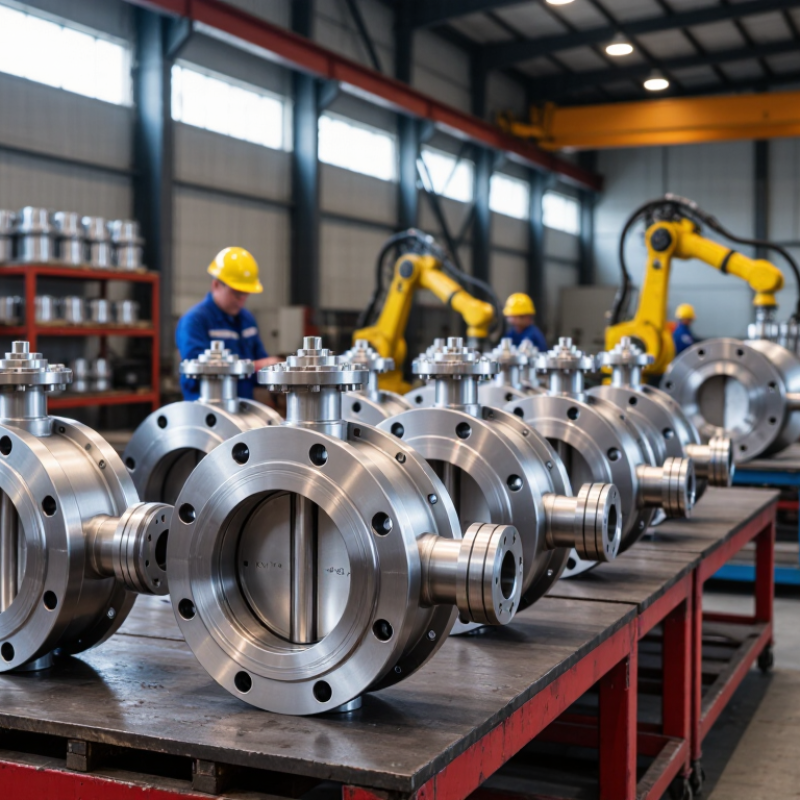
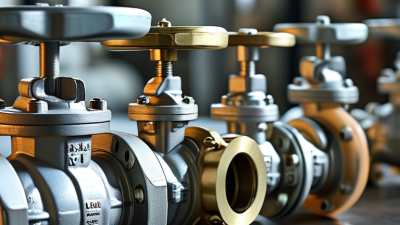
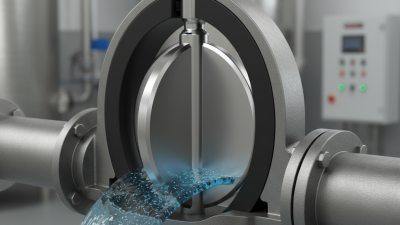
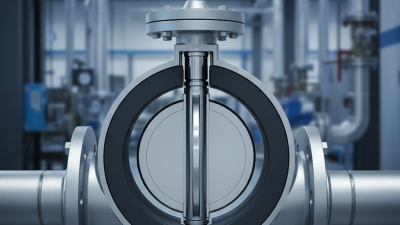
A PN10 butterfly valve is a quarter-turn valve used to start, stop, or regulate flow. Its disc turns inside the pipe, opening with a quarter turn and closing across the passage.
PN10 denotes a nominal pressure class of 10 bar under specified reference conditions. It is not a guarantee of 10-bar service in every situation. Temperature, valve materials, and the fluid can change the allowable working pressure, so check the pressure-temperature data for the selected valve.
These valves are common in water distribution, building HVAC, irrigation, and wastewater systems. Their compact body and quick operation make them practical on larger pipes, where heavier gate valves may be awkward to install. The disc stays in the flow path, though, so it can create some resistance.
Small details matter. A butterfly valve may provide basic flow adjustment, but it is not always suitable for precise control.
For selection, match the body, disc, and seat materials to the water chemistry, temperature, and any suspended solids. A ductile-iron body, stainless-steel disc, and elastomer seat are common choices, but they are not universal. Check flange alignment and actuator clearance during installation.
PN10 alone does not establish suitability for every liquid or operating condition. Fluid data is sometimes incomplete; treating that uncertainty as a real selection risk is better than guessing.

Evaluating China’s PN10 butterfly valve manufacturers requires more than comparing prices or catalog claims. PN10 indicates a nominal pressure class, not an automatic guarantee of suitability under every temperature or operating condition. ISO 5208:2015 defines leakage-rate acceptance classes for pressure testing metallic valves. Ask for the stated class, test pressure, duration, and recorded result. “Passed inspection” alone is thin evidence.
Check the body, disc, stem, and seat materials against the fluid and service temperature. EN 593:2017 covers metallic butterfly valves for general purposes and offers a useful technical reference. Request material certificates, dimensional inspection records, and traceable batch numbers. Review production controls too: machining tolerances, coating thickness, and assembly checks can affect sealing and fit. A polished datasheet may still leave gaps; verify that test records match the exact valve size and configuration being quoted.
Tips: Request a sample pressure-test report and compare its conditions with your specification. Confirm whether the quoted PN10 rating applies at your operating temperature. Clear records matter. A low price is less persuasive when traceability is missing.
Who are the top 10 PN10 butterfly valve manufacturers in China? There is no single, independently verified ranking that fits every buyer. A practical shortlist should include established industrial-valve makers, waterworks specialists, and factories with documented export experience. Compare them by engineering depth, production control, and service—not catalogue claims alone. Details matter.
For each candidate, request a current datasheet, dimensional drawing, material specification, and pressure-test records. Check the body, disc, stem, and seat materials against your fluid and operating temperature. PN10 indicates a nominal pressure class, not a guarantee of suitability in every condition. Ask how the supplier controls casting defects, coating thickness, and assembly tolerances. A clear answer is a good sign. Vague paperwork is not.
Also review sample lead times, spare-part availability, inspection options, and the factory’s response to technical questions. If possible, compare a sample valve’s markings and dimensions with its approved drawing. Even a polished catalogue can hide gaps. I would not rank ten suppliers by price alone; that shortcut often misses the cost of inconsistent quality and delayed support.
PN10 is a nominal pressure designation of 10 bar (1 MPa). This chart compares common PN designations; it does not rank manufacturers.
Actual allowable working pressure depends on the valve design, materials, operating temperature, and applicable standard. Confirm the pressure-temperature limits in the product documentation.
Comparing China’s leading PN10 butterfly valve manufacturers takes more than checking catalog prices. PN10 describes a nominal pressure class, but suitability also depends on temperature, medium, operating cycles, and installation conditions. Compare body materials, disc construction, seat options, shaft sealing, and face-to-face dimensions with the project drawings. A water line with frequent throttling may need different components from a clean isolation line. Ask for pressure-test records and material traceability. Small details matter. A polished brochure is not a test report.
Certifications should be checked for scope, issuing body, and validity, rather than accepted from a logo on a webpage. Request documents that match the valve type and intended application. Then compare inspection procedures, delivery times, customization options, spare-part access, and technical response after installation. Ask how suppliers handle dimensional deviations or delayed parts. That answer can reveal more than a sales promise. One limitation is easy to overlook: published specifications may not describe every production batch. Requesting current records or arranging an agreed inspection can reduce uncertainty, though it adds time and cost. Not a perfect process. It is still a more reliable basis for comparison.
Choosing a PN10 butterfly valve manufacturer starts with confirming the actual service conditions. PN10 is a nominal pressure class, not a guarantee of suitability at every temperature or with every medium. Ask for the applicable pressure-temperature limits, design standard, and test procedure. Details matter. The valve’s body, disc, stem, and seat materials should match the fluid and expected operating cycles.
Review evidence, not just catalogue claims. Request material certificates, dimensional drawings, pressure-test records, and a clear explanation of production checks. Traceability should connect each valve to its inspection documents. If possible, assess the workshop or arrange an independent inspection. A polished brochure is not proof. I would also check whether the manufacturer produces and tests valves in-house or relies on outside suppliers; this distinction is easy to miss.
Confirm compatibility before ordering. Confirm flange compatibility, face-to-face dimensions, actuator requirements, and installation clearance before ordering. A small mismatch around the disc can disrupt an otherwise suitable installation. Ask how the supplier handles failed tests, replacement parts, and technical questions after delivery. Compare lead times and warranty terms in writing. Price matters, but a low quotation can conceal gaps in testing or documentation. I would verify those points before approving a sample, even when the schedule feels tight.