Top Zero Leakage Butterfly Valve Benefits for Global Buyers?
The global demand for reliable and efficient flow control solutions is on the rise. Among these, the "Zero Leakage Butterfly Valve" stands out for its unparalleled sealing performance. Industry expert Dr. Emily Carter, a leading valve technology researcher, states, "Achieving zero leakage is crucial for industries aiming for operational excellence." This highlights the importance of these valves in minimizing loss and enhancing efficiency.
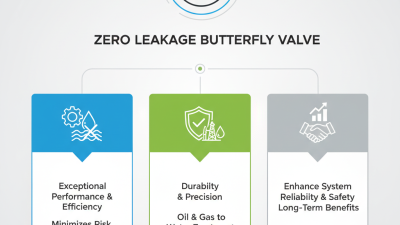
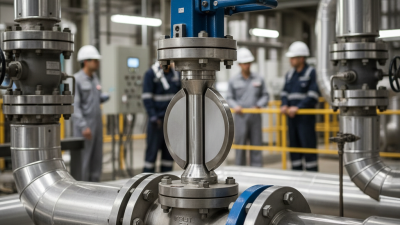
Zero Leakage Butterfly Valves are designed to prevent any fluid escape. They provide significant advantages in various sectors, including oil and gas, water treatment, and pharmaceuticals. The ability to maintain a secure seal not only enhances safety but also reduces maintenance costs over time. For many buyers, the long-term reliability makes these valves a worthy investment.
However, the transition to Zero Leakage Butterfly Valves isn't always seamless. Companies often grapple with challenges in retrofitting existing systems. It requires precise engineering and compatibility assessments. Despite these hurdles, the push toward sustainability and efficiency continues. The innovative design of these valves often encourages companies to rethink their infrastructure to achieve optimal performance.
Introduction to Zero Leakage Butterfly Valves
Zero leakage butterfly valves are gaining traction in various industries, primarily for their efficiency and reliability. These valves promise to prevent fluid leakage entirely, which is crucial in sectors like oil and gas, water treatment, and chemical processing. According to a report by Markets and Markets, the global valve market is expected to reach USD 93.5 billion by 2025. This growth highlights the increasing demand for high-performance solutions, such as zero leakage options.
The design of zero leakage butterfly valves enables them to function effectively under high pressure and fluctuating temperatures. They typically employ advanced sealing technologies, which enhance operational efficiency. A study by Grand View Research indicates that products designed with zero leakage technology can reduce downtime and maintenance costs by up to 30%. This represents significant savings over time, particularly in complex systems.
However, it is essential to address some challenges. Not all installations may guarantee zero leakage under extreme conditions. Factors such as improper installation or wear over time can impair valve performance. Thus, regular inspections and maintenance are crucial to ensure optimal functionality. This reflects the importance of reliability and attention to detail in valve operation, which can sometimes be overlooked in busy industrial settings.
Key Advantages of Zero Leakage Technology
Zero leakage butterfly valves are transforming industries by enhancing efficiency and reliability. This technology ensures that no fluid escapes, which is crucial for maintaining system integrity. Industries such as oil and gas greatly benefit from these valves, as they prevent waste and reduce environmental risks. Such valves are designed with precision, offering tight sealing capabilities.
One significant advantage of zero leakage technology is reduced maintenance costs. With no leaks, systems run smoothly, requiring less frequent repairs. Additionally, this technology minimizes the risks of equipment failure. For those using zero leakage valves, striving for optimal performance becomes a reality.
Tips: Always assess the specific requirements of your system. Understand the pressures and temperatures involved to select the right valve. Regularly check for signs of wear or damage. These proactive steps ensure longevity and effectiveness. Emphasizing reliability can lead to significant operational savings.
Applications of Zero Leakage Butterfly Valves in Various Industries
Zero leakage butterfly valves are becoming essential in various industries due to their reliability and efficiency. These valves ensure minimal fluid loss, which is crucial in sectors such as oil and gas, water management, and pharmaceuticals. According to recent industry reports, improper sealing in traditional valves can lead to losses of up to 20% in operational costs, highlighting the importance of effective valve technology.
In oil and gas, zero leakage butterfly valves help minimize risks associated with hazardous materials. These valves can operate at high pressure, ensuring safety in critical applications. A study published by the American Society of Mechanical Engineers noted that nearly 25% of pipeline failures are linked to leaks. Thus, adopting zero leakage technology can significantly reduce environmental risks and enhance regulatory compliance.
Water management systems also benefit greatly from these valves. They allow for precise flow control, crucial for maintaining optimal water supply. The International Water Association reported that unaccounted water loss can account for 30% of total water produced in urban settings. This inefficiency stresses the need for reliable sealing solutions. While industry standards continue to evolve, constant reflection on valve performance is needed to drive future improvements.
Cost-Efficiency and Sustainability Benefits for Buyers
Zero leakage butterfly valves offer significant cost-efficiency and sustainability, making them a valuable choice for various industries. These valves minimize wastage by preventing leaks, which can be costly and environmentally damaging. Users reduce operating costs and the need for constant repairs. This efficiency directly translates into long-term savings, proving beneficial for budget-conscious buyers.
In addition, choosing zero leakage options enhances sustainability efforts. With increased awareness surrounding environmental issues, responsible sourcing is crucial. These valves help minimize carbon footprints by ensuring that fluids are contained properly. This also contributes to compliance with regulations that promote greener practices. Buyers who prioritize sustainability can make impactful choices.
Tips for buyers: When selecting a valve, consider the materials used. High-quality materials will ensure longevity and better performance. Regular maintenance checks are essential to identify potential issues before they escalate. Evaluate suppliers based on their commitment to sustainability and innovation. Making an informed choice can significantly impact both finances and environmental conservation.
Top Zero Leakage Butterfly Valve Benefits for Global Buyers
| Benefit Dimension |
Description |
Estimated Savings (%) |
Environmental Impact |
| Cost-Efficiency |
Reduced operational costs due to minimal maintenance and longer service life. |
20-30% |
Lower resource usage leads to decreased overall operational costs. |
| Reliability |
Ensures consistent performance and reduces downtime in operations. |
15-25% |
Increased reliability contributes to reduced waste and environmental footprint. |
| Sustainability |
Contributes to eco-friendly operations through effective sealing. |
10-20% |
Minimized leakage means less environmental pollution. |
| Versatility |
Suitable for various applications across different industries. |
15-20% |
Helps in utilizing fewer resources by adapting to different needs. |
| Safety |
Reduces risk of leaks potentially leading to hazardous situations. |
10-15% |
Safer operations contribute to overall environmental health. |
Choosing the Right Zero Leakage Butterfly Valve for Your Needs
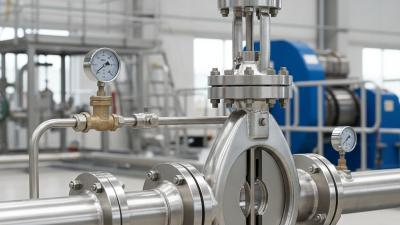
When selecting a zero leakage butterfly valve, it is essential to consider your specific needs. These valves are designed to provide tight sealing, which minimizes leakage and enhances system efficiency. A thorough understanding of your system's pressure, temperature, and flow rate will guide you in making an informed decision.
Incorporate the right materials for your valve. Different environments demand different materials. For example, corrosion resistance may be vital in chemical applications. Yet, choosing the wrong material can lead to premature failure or maintenance issues. Look for validated test results to ensure reliability.
Another critical factor is the valve's design and construction. Not all butterfly valves offer the same performance. Pay attention to the disc design and sealing mechanism. If your system requires frequent cycling, the actuator type matters too. Balancing functionality with long-term reliability can be challenging but is worth the effort.