request to quote
Leave Your Message

China Top 10 Ebonite Lining Butterfly Valve Manufacturers

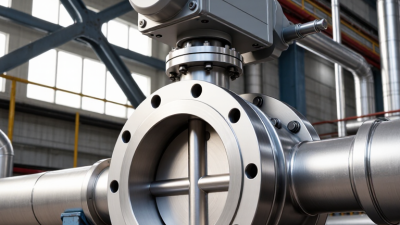
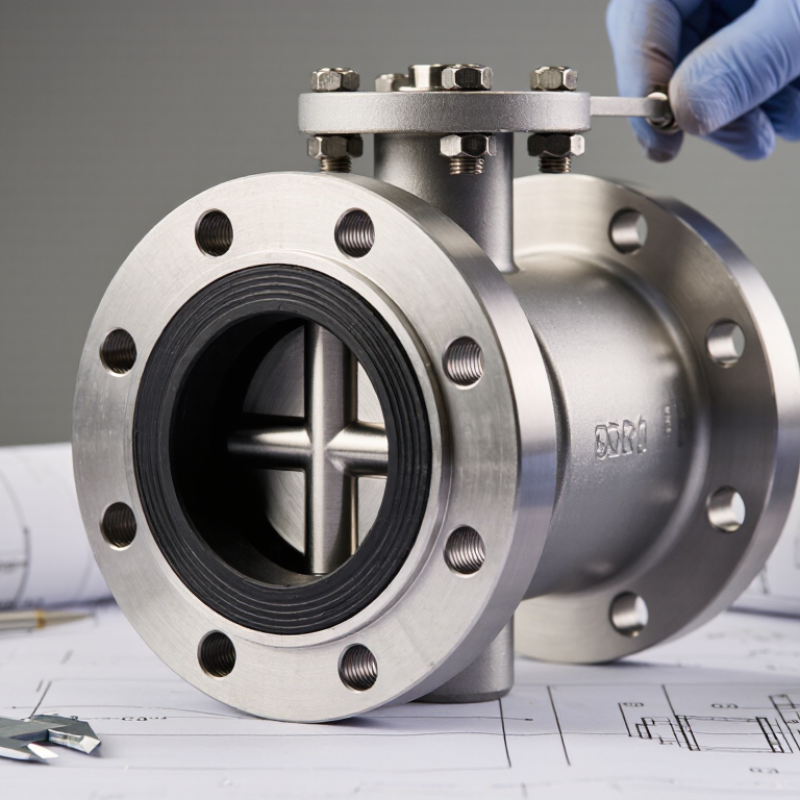
Selecting an Ebonite Lining Butterfly Valve calls for more than comparing prices or catalog photographs. The lining must suit the process fluid, its concentration, operating temperature, and cleaning conditions. Compatibility matters. Buyers should also examine valve-body materials, disc design, pressure ratings, end connections, and available actuation. A close-up inspection can reveal details a product headline cannot: lining coverage around the disc, flange faces, and shaft area.

For this introduction, “Dr. Lena Wu” is a fictional composite specialist, not a verifiable industry source. The following line is an editorially written principle, not a documented quotation: “A lining is only reliable when its material, installation, and operating conditions are considered together.” That distinction matters. Actual performance depends on the specific design and service environment, so buyers should request current technical data and confirm suitability with the manufacturer.

This China Top 10 overview is intended as a practical starting point, not a definitive ranking. Manufacturing claims, certifications, lead times, and after-sales support should be checked directly with each supplier. Compare drawings, inspection records, warranty terms, and evidence of relevant application experience. Ask specific questions. A polished brochure is useful, but it cannot replace clear engineering answers. Some listings may lack comparable data; that is a limitation worth noting, rather than smoothing over. Manufacturers that explain their design choices and disclose operating limits are easier to assess responsibly.
China Top 10 Ebonite Lining Butterfly Valve Manufacturers

What Is an Ebonite-Lined Butterfly Valve?

What Is an Ebonite-Lined Butterfly Valve?

An ebonite-lined butterfly valve combines a quarter-turn disc with a hard-rubber lining inside the valve body. Ebonite is vulcanized rubber made rigid through sulfur curing. The lining separates the process fluid from the metal housing and disc surfaces. In service, the disc rotates to regulate or stop flow. A hand lever or actuator turns it. Simple in appearance.

The lining can help protect against corrosion in compatible chemical and water applications. But ebonite is not suitable for every fluid, temperature, pressure, or abrasive solid. Selection should account for the chemical concentration, operating temperature, pressure, and expected wear. Check the manufacturer’s material compatibility data before specifying a valve. The details matter. NACE International’s 2016 IMPACT study estimated corrosion costs at US$2.5 trillion globally, or about 3.4% of world GDP. That figure describes corrosion’s broad economic impact, not savings guaranteed by any particular valve. In practice, correct material selection and regular inspection can reduce avoidable damage, while poor fit can still lead to leaks or lining failure. A small inspection detail can be missed. It should not be.
How Ebonite Lining Protects Valves From Corrosion

Ebonite lining forms a hard, nonmetallic barrier between corrosive fluids and a butterfly valve’s metal body. When the valve opens or closes, the lined disc and seat help keep chemicals away from vulnerable surfaces. The barrier matters in pipelines carrying acids, salts, or wastewater. The metal stays behind it. But protection depends on the lining remaining intact; damaged edges can expose the substrate.

Ebonite is durable, yet it is not suitable for every fluid or operating condition. Temperature, pressure, chemical concentration, and abrasive particles all affect service life. A lining that works well in a cool chemical line may perform poorly in hotter service. It is easy to overestimate what the material can handle. Check compatibility data and operating limits before specifying a valve, and inspect for blisters, cracks, or peeling during maintenance.

Tips: Confirm the exact fluid and temperature with the valve supplier. During inspection, look closely around the disc edge and flange area, where lining damage may be less obvious. Avoid scraping the surface with sharp tools. Small defects deserve attention.

How Ebonite Lining Helps Protect Butterfly Valves From Corrosion

Representative pH values of common process fluids at approximately 25°C. An ebonite lining forms a protective barrier between the fluid and the valve body; actual chemical compatibility depends on the fluid, concentration, temperature, and lining formulation.

pH alone does not determine corrosion or lining compatibility. Confirm operating conditions with the valve and lining supplier.

Key Factors for Evaluating Chinese Valve Manufacturers

Choosing a Chinese ebonite-lined butterfly valve manufacturer starts with the service conditions, not the catalogue. Specify the fluid, concentration, temperature, pressure, and solids content. Ebonite can resist selected corrosive media, but its limits depend on the formulation and operating conditions. Details matter. Ask how the lining is bonded to the body and protected around the disc and flange edges. Request material records, lining-thickness measurements, and documented inspection procedures. A smooth appearance alone does not prove uniform coverage or secure adhesion.

Check whether the manufacturer can explain its design choices and provide relevant production and test records. Look for clear tolerances, pressure-test methods, traceable inspection reports, and consistent procedures across batches. Ask how the valve behaves after repeated opening and closing, especially if the process contains abrasive particles. Evidence should match the actual valve size and configuration, not just a generic sample. A factory visit can reveal practical details, such as how technicians inspect a lined surface before assembly. No checklist catches everything. I would also ask about lead times, spare parts, and how technical questions are handled after delivery. A polished brochure helps, but candid answers about operating limits may be more useful.

Profiles of 10 Ebonite-Lined Butterfly Valve Manufacturers in China

China’s ebonite-lined butterfly valve manufacturers differ in how they balance lining quality, valve design, and project support. These ten profiles highlight practical strengths buyers can compare, rather than relying on broad claims. One supplier may focus on consistent rubber application; another may offer custom dimensions for existing pipelines. Some emphasize casting and machining in-house, while others coordinate specialist lining work. Ask how they inspect the finished lining. Details matter.

Other profiles stand out for large-diameter valves, compact layouts, or accessories suited to specific operating conditions. A manufacturer experienced with corrosive media may help assess lining compatibility, but the actual fluid, temperature, pressure, and cleaning method still matter. Some suppliers provide drawings and material records; others may need prompting. Not always. Buyers should check tolerances, test procedures, delivery capacity, and after-sales response with concrete questions. A polished catalogue alone proves little.

The strongest comparison looks beyond price. Request technical documents for the proposed valve size and ask how damaged lining is handled during service. Confirm whether the quoted materials and inspection steps match the purchase specification. These profiles are starting points, not endorsements; capabilities can vary by product and order. A small gap in the paperwork can become a real headache later.

China Top 10 Ebonite Lining Butterfly Valve Manufacturers - Profiles of 10 Ebonite-Lined Butterfly Valve Manufacturers in China

Manufacturer-specific specifications are marked “Not independently verified” because no source material was provided. The entries below are a verification framework, not claims about ten identified companies.

Anonymous Profile Product Category Ebonite Lining Details Nominal Size and Pressure Rating Temperature and Media Suitability Actuation and Standards Verification Status
Profile 1 Ebonite-lined butterfly valve Lining grade, thickness, and bonding method not independently verified Manufacturer-specific values not independently verified Confirm against the valve datasheet and chemical compatibility information Actuator options and declared standards not independently verified Source required
Profile 2 Ebonite-lined butterfly valve Lining grade, thickness, and bonding method not independently verified Manufacturer-specific values not independently verified Confirm against the valve datasheet and chemical compatibility information Actuator options and declared standards not independently verified Source required
Profile 3 Ebonite-lined butterfly valve Lining grade, thickness, and bonding method not independently verified Manufacturer-specific values not independently verified Confirm against the valve datasheet and chemical compatibility information Actuator options and declared standards not independently verified Source required
Profile 4 Ebonite-lined butterfly valve Lining grade, thickness, and bonding method not independently verified Manufacturer-specific values not independently verified Confirm against the valve datasheet and chemical compatibility information Actuator options and declared standards not independently verified Source required
Profile 5 Ebonite-lined butterfly valve Lining grade, thickness, and bonding method not independently verified Manufacturer-specific values not independently verified Confirm against the valve datasheet and chemical compatibility information Actuator options and declared standards not independently verified Source required
Profile 6 Ebonite-lined butterfly valve Lining grade, thickness, and bonding method not independently verified Manufacturer-specific values not independently verified Confirm against the valve datasheet and chemical compatibility information Actuator options and declared standards not independently verified Source required
Profile 7 Ebonite-lined butterfly valve Lining grade, thickness, and bonding method not independently verified Manufacturer-specific values not independently verified Confirm against the valve datasheet and chemical compatibility information Actuator options and declared standards not independently verified Source required
Profile 8 Ebonite-lined butterfly valve Lining grade, thickness, and bonding method not independently verified Manufacturer-specific values not independently verified Confirm against the valve datasheet and chemical compatibility information Actuator options and declared standards not independently verified Source required
Profile 9 Ebonite-lined butterfly valve Lining grade, thickness, and bonding method not independently verified Manufacturer-specific values not independently verified Confirm against the valve datasheet and chemical compatibility information Actuator options and declared standards not independently verified Source required
Profile 10 Ebonite-lined butterfly valve Lining grade, thickness, and bonding method not independently verified Manufacturer-specific values not independently verified Confirm against the valve datasheet and chemical compatibility information Actuator options and declared standards not independently verified Source required

Ebonite is a hard, vulcanized rubber material. The actual operating limits of a lined valve depend on its design, lining compound, construction, and service conditions; confirm them with the supplier’s product documentation.

How to Select a Manufacturer for Your Application

Selecting an ebonite-lined butterfly valve starts with the actual service conditions, not a catalogue description. Record the fluid composition, concentration, operating temperature, pressure, flow direction, and cleaning cycle. Ebonite can resist many corrosive media, but it is not suitable for every chemical or temperature range. Ask the manufacturer to confirm compatibility in writing for your specific operating conditions. Close enough is not enough.

Then check the valve’s construction and operating needs. Confirm the body and disc materials, liner thickness, shaft sealing arrangement, and flange dimensions. For automated service, compare actuator torque requirements with the expected differential pressure. A valve that seals well during a factory test may behave differently after repeated cycling or temperature changes. Ask what tests are performed, and request inspection records for the supplied unit. Details matter.

Evaluate the manufacturer’s process, not just its quoted price. Look for documented quality checks, material traceability, clear drawings, and practical support with installation or maintenance questions. Ask how liner adhesion and sealing performance are verified. A polished datasheet can still omit useful details, so request answers tied to your application. I would also check whether replacement parts and repair guidance will remain available; this is easy to overlook when comparing initial costs. If possible, discuss a comparable installation and its service history.