7 Tips for Choosing a Butterfly Valve With Bypass?
Choosing a Butterfly Valve With Bypass involves more than matching pipe size and pressure rating. The right arrangement can help maintain flow during maintenance, support controlled startup, and reduce pressure differences across the main valve. But a bypass is not automatically useful in every system. Its value depends on the process, operating procedure, and the consequences of interrupting flow.
Start with the service conditions. Consider the fluid, temperature, pressure, flow rate, and how often the valve will operate. Check the body and seat materials against the medium, and confirm that the actuator and control method suit the installation. Small details matter. A poorly placed bypass may be difficult to reach, while an undersized line may not provide the equalization or flow the system requires. These points deserve careful review; specifications alone can miss practical site constraints.
The following seven tips offer a practical framework for comparing options, from bypass configuration and materials to installation access and maintenance. Use them alongside manufacturer documentation and input from qualified engineers familiar with the system. Every application differs. A selection that works well on a clean-water line may not fit a process with abrasive solids or frequent cycling. And even a well-chosen valve needs proper commissioning. Before purchase, ask how the bypass will be operated, isolated, and inspected in real conditions—not only how it appears on a drawing.

Understand the Purpose and Operating Conditions of the Bypass
Before selecting a butterfly valve with a bypass, define what the bypass must do. It may equalize pressure across the main valve, maintain a small flow during isolation, or help fill a line gradually. These jobs are not interchangeable. A bypass used for pressure equalization needs a different arrangement from one expected to carry continuous process flow.
Check the operating conditions, not just the pipe size. Note the normal and peak pressure difference, fluid temperature, flow rate, and whether the fluid contains solids. Consider how often operators will use the bypass and whether they can reach its handwheel safely. In the field, a bypass that is too small can make equalization painfully slow; one that is too large may allow a sudden surge. That detail is easy to overlook. Verify the expected sequence with the system designer, especially if rapid pressure changes could affect equipment downstream.
Tip: Write down the bypass’s purpose, expected flow, pressure range, and operating frequency before comparing valve configurations. Then check that the proposed bypass can meet those conditions without forcing operators to guess. A simple operating sketch helps. It may still miss an unusual startup condition, so review the sequence against real maintenance and commissioning tasks.
Match Valve Size, Pressure Rating, and Flow Requirements
7 Tips for Choosing a Butterfly Valve With Bypass
Match the valve size to the pipe and required flow, not just the flange diameter. An oversized valve may operate near the closed position, causing unstable control. A smaller valve can create excessive pressure loss and unwanted noise. Check the flow coefficient at minimum, normal, and peak flow. Then compare the available pressure drop. This step often reveals problems hidden by a simple size match.
Confirm the pressure rating at the actual operating temperature. Pressure capacity can fall as temperature rises, especially with certain seat and body materials. Include pump shutoff pressure, surge pressure, and possible vacuum conditions. The bypass needs its own sizing review. It may maintain minimum flow during isolation or provide controlled startup flow. A bypass that is too small becomes restrictive. One that is too large can make adjustment difficult.
Review the disc, shaft, seat, and actuator torque together. Higher differential pressure usually demands more torque and stronger actuation. Consider flow direction, installation space, maintenance access, and fail-safe position. Keep it simple. Field measurements matter. I once underestimated a bypass because normal flow looked modest, but startup conditions were very different. That mistake changed the selection. Verify calculations against operating data, and leave a sensible margin without oversizing blindly. No single rule fits every system.
Choose Body and Seal Materials for the Service Fluid
A butterfly valve with a bypass must match the service fluid, not just the pipe size. The body carries pressure and supports the disc, stem, and seat. Common choices include ductile iron, carbon steel, and stainless steel. Water service may suit coated iron, while saltwater often demands better corrosion resistance. Abrasive slurry needs extra caution. A standard body can wear faster than expected.
Seal selection deserves equal attention. EPDM handles many water-based fluids and moderate temperatures, but it performs poorly with petroleum oils. Nitrile rubber suits many oil services, yet hot water can shorten its life. PTFE offers broad chemical resistance, although repeated movement may cause cold flow. Fluoroelastomers tolerate heat and certain chemicals, but they are not universal solutions. Check the actual fluid concentration, temperature, pressure, and cleaning chemicals.
The bypass line usually carries the same fluid, so its valve needs compatible materials too. I have seen operators focus on the main valve and overlook a small bypass seal. That small seal later leaked during isolation. It was an avoidable mistake. Review the chemical compatibility chart and confirm the supplier’s test data. Then compare it with real operating conditions, including startup and shutdown temperatures. Do not rely on fluid names alone. “Water” may contain chlorine, solids, or aggressive treatment chemicals. Material choices sometimes need revision after field inspection. That is normal. A conservative selection is often cheaper than an unexpected shutdown.
Check Installation, Isolation, and Maintenance Requirements
A bypass can keep a process running while a butterfly valve is inspected, but only if the piping arrangement allows safe isolation. Check the flow direction, actuator clearance, pipe supports, and room to remove the valve’s disc or seat. A tight equipment room can turn a routine service task into a long shutdown. Small detail, big consequence.
Specify how the main line will be isolated before selecting the valve. A bypass is not automatically a safe isolation point; confirm that upstream and downstream valves can be locked and that trapped pressure can be relieved. ISO 5208:2015 defines leakage-rate acceptance criteria for industrial valves, including butterfly valves. Use the required leakage class when setting acceptance tests, rather than assuming “closed” means leak-tight. For higher-risk service, have a qualified engineer review the isolation plan.
Maintenance access matters just as much. Leave space for actuator removal, seat inspection, and a pressure test connection, and make sure bypass valves are reachable without climbing over hot or vibrating pipework. The U.S. Department of Energy’s 2012 Improving Steam System Performance sourcebook identifies routine inspection and maintenance as key parts of steam-system reliability. Its guidance is not butterfly-valve-specific, but the practical lesson applies: inaccessible equipment is less likely to receive timely checks. Sometimes the drawing looks perfect. The field installation may not.
7 Tips for Choosing a Butterfly Valve With Bypass
Installation, isolation, and maintenance requirements
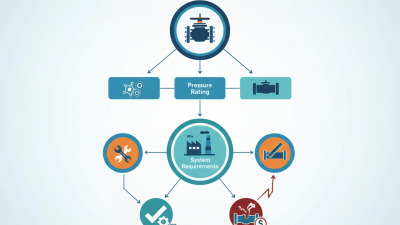
How to use this chart: These seven checks are a design-review checklist, not performance ratings. Confirm pressure and temperature limits, flow direction, actuator access, isolation needs, bypass sizing, safe operating sequence, and maintenance clearance against the project specifications and applicable valve documentation. A bypass does not replace required isolation or pressure-relief provisions.