request to quote
Leave Your Message

Top 10 Ebonite Lined Butterfly Valve Manufacturers

Choosing an Ebonite Lining Butterfly Valve manufacturer involves more than comparing catalog prices. The lining must suit the fluid, operating temperature, pressure, and expected wear. A mismatch can lead to early damage around the disc, seat, or valve body. Small details matter.

This guide introduces ten manufacturers and the factors buyers can use to assess them. Look for clear specifications on lining thickness, body material, pressure ratings, and test procedures. Ask how the finished valve is inspected, and whether drawings, material records, and maintenance guidance are available. These documents help engineers check a product against actual site requirements. A catalog can look convincing. It is not proof of performance.

Manufacturer capabilities vary by model and market, so this list should be treated as a starting point, not a universal ranking. Confirm current product data directly with each supplier. Compare warranty terms, delivery support, replacement parts, and experience with similar media. Where evidence is limited, say so; a polished product page does not answer every technical question. That is useful, but not the whole story. Careful verification can help buyers narrow the field and choose a valve suited to their process, rather than relying on a name alone.
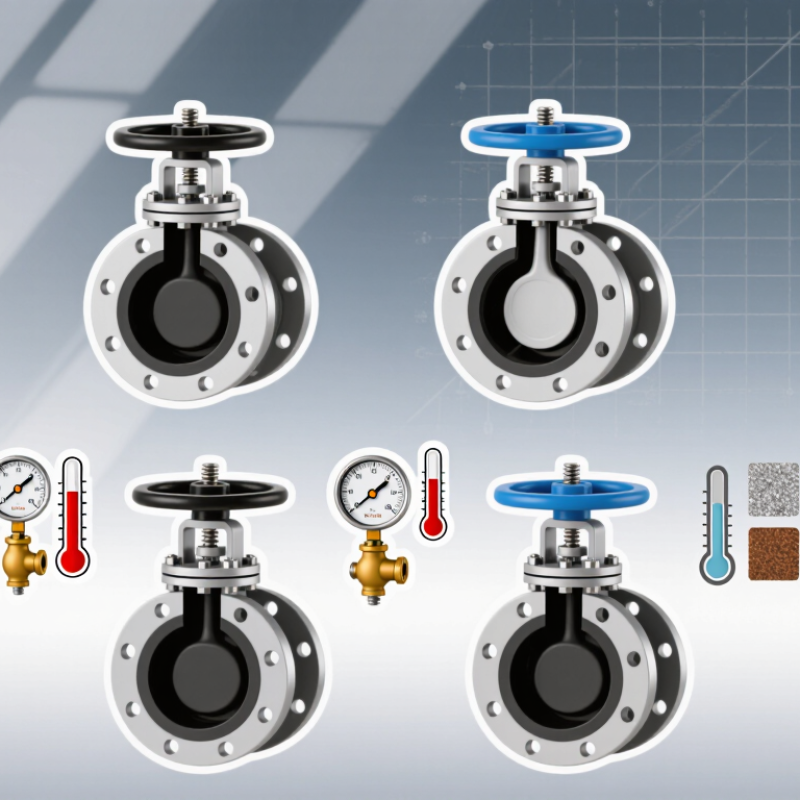
Top 10 Ebonite Lined Butterfly Valve Manufacturers

Ebonite-Lined Butterfly Valves: Construction, Materials, and Typical Applications

Ebonite-lined butterfly valves use a quarter-turn disc to regulate flow, while a bonded hard-rubber lining shields wetted surfaces from corrosion. The lining is typically vulcanized onto a prepared metal body; the disc may also receive protective coverage, depending on the design. Surface preparation, bonding quality, and careful curing matter. Small defects matter. A pinhole or damaged edge can expose metal to corrosive fluid. NACE International’s 2016 IMPACT study estimated global corrosion costs at US$2.5 trillion annually, about 3.4% of global GDP. That figure explains the value of corrosion control, though it does not predict savings for any individual valve installation.

These valves are used in chemical processing, pickling lines, and water-treatment systems where compatible acids or alkalis are present. Ebonite can offer strong chemical resistance, but its limits depend on the compound, temperature, concentration, and exposure time. It is not a universal answer. Abrasive solids and repeated disc movement can wear the lining, so slurry service needs careful review. Before selection, engineers should check the fluid data, pressure and temperature range, disc clearance, and inspection requirements. A clean-looking lining may still have a weak bond; periodic inspection is worth planning into maintenance.
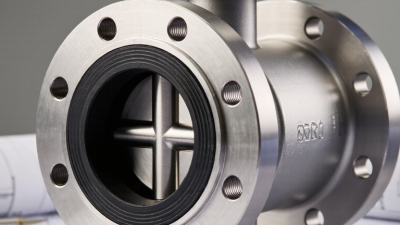
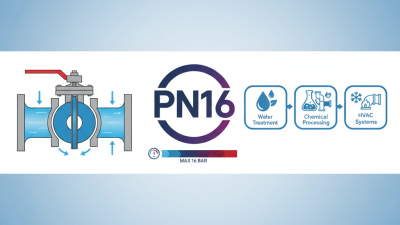
Ebonite-Lined Butterfly Valves: Construction, Materials & Typical Applications

Ebonite-lined valves typically use a metal body and disc with a hard-rubber lining to protect wetted surfaces from corrosive fluids. A common upper service-temperature limit is around 80 °C; the approved limit depends on the lining compound, pressure, and fluid chemistry. Typical uses include chemical processing, water treatment, and handling suitable acids or alkalis. Always check the valve manufacturer’s specifications for the specific service.

Key Specifications: DN Size, Liner Thickness, Pressure Rating, and Temperature

For an ebonite-lined butterfly valve, DN size is only the starting point. A DN100 valve must match the pipe bore, flange pattern, and available installation space. Check whether the stated diameter refers to the nominal connection or the actual flow opening. Small differences can affect clearance and pressure loss. Details matter.

Liner thickness should be specified in millimeters, with coverage confirmed around the disc edge and body. A thicker lining may improve wear allowance, but it can also reduce the opening or alter operating torque. Ask how thickness is measured and whether it is consistent across the sealing area. A tidy specification sheet may not answer that.

Pressure ratings need context. Confirm the allowable working pressure at the intended temperature, rather than relying on a single headline figure. Ebonite performance can change with heat, fluid composition, and cycling. Request the temperature range and the test conditions behind the rating. For example, a process running near 60°C may require a different review than a cool-water line. Compare manufacturer data with the actual medium and operating cycle. If these details are missing, pause and ask for clarification; a vague rating is not enough.

Relevant Standards: API 609, ASME B16.34, and ISO 5208

For buyers comparing ebonite-lined butterfly valves, API 609 is a useful starting point. It addresses butterfly-valve design, dimensions, pressure classes, and testing. Check which category and edition the supplier claims compliance with. The standard does not, by itself, prove that an ebonite lining suits a specific fluid or temperature. Ask for the lining thickness, bonding method, and documented service limits. Small details matter.

ASME B16.34 covers pressure-temperature ratings and requirements for valve materials, design, examination, and testing. With lined valves, confirm how the pressure boundary and lining are evaluated together; do not assume the metal body rating describes the complete assembly. ISO 5208 sets pressure-testing procedures and leakage acceptance criteria for industrial valves. Request test records that identify the test medium, pressure, duration, and acceptance rate. A dry-looking flange is not enough evidence. Compare the records with the required class and installation conditions. One point deserves a second look: published compliance statements can be brief, while actual test scope may vary. Verify the exact configuration being quoted, especially its disc, seat, lining, and end connections.

Top 10 Manufacturers: Compare Valve Types, Sizes, Ratings, and Certifications

For a Top 10 comparison, evaluate more than nominal diameter. Ebonite-lined butterfly valves are selected for corrosive duties, but lining thickness, rubber formulation, and temperature limits vary. Compare available sizes, pressure ratings, and body materials against the actual fluid and operating cycle. Small details matter. Ask for documented limits on vacuum service, flange compatibility, and allowable temperature changes; a pressure rating alone does not establish suitability.

Grand View Research valued the global industrial valves market at USD 78.7 billion in 2023 and projected 4.4% compound annual growth from 2024 to 2030. That figure covers industrial valves broadly, not ebonite-lined butterfly valves specifically. It signals a large, diverse market, not proof that any supplier fits a given application. Check technical datasheets and test records. Look for relevant quality-system certification, such as ISO 9001, while confirming that it applies to the manufacturing site. Standards such as ISO 5211 can help compare actuator interfaces; they do not certify valve performance. Ask each manufacturer to state the test method, pressure class, face-to-face dimensions, and lining inspection criteria. Paperwork can still leave gaps. Independent review is sensible when the service conditions are unusual.

Top 10 Ebonite Lined Butterfly Valve Manufacturers - Top 10 Manufacturers: Compare Valve Types, Sizes, Ratings, and Certifications

Anonymous market comparison guide: typical specifications and verification points for ebonite-lined butterfly valves

No. Comparison dimension Typical market information What to verify with the manufacturer
1 Valve type and design Concentric, resilient-seated butterfly valves are commonly offered with hard-rubber (ebonite) lining. Other configurations may be available depending on the product range. Confirm the lining construction, disc design, intended service, and whether the valve design is covered by EN 593 or API 609.
2 Nominal size Industrial butterfly valves are available across a broad size range; DN 50 to DN 1200 is a common range to use when requesting quotations, but availability varies by design. Check the exact size range, face-to-face dimensions, and whether larger sizes require special testing or delivery conditions.
3 Pressure rating Common metric pressure designations include PN 10 and PN 16. Some products are offered to ASME Class 150 requirements; ratings are not interchangeable without checking the applicable standard. Request the pressure-temperature rating table and confirm the rating applies to the complete lined valve, not only the body.
4 Temperature and chemical service Ebonite is a hard-rubber lining material used in selected corrosive services. Its allowable temperature and chemical compatibility depend on the compound and operating conditions. Obtain written compatibility confirmation for the specific fluid, concentration, temperature, pressure, and cleaning process. Do not rely on a generic temperature limit.
5 Body material Common body material options for industrial butterfly valves include cast iron, ductile iron, carbon steel, and stainless steel, subject to the manufacturer’s design. Verify the exact material grade, coating or lining coverage, and material certificates required for the project.
6 Disc and shaft materials Disc and shaft materials vary by design and service. Stainless steel and coated or lined disc options are commonly specified for corrosion-resistant applications. Confirm the wetted materials, disc edge finish, shaft material, and how the disc-to-liner interface is protected against the process fluid.
7 End connections Wafer, lug, and flanged configurations are commonly available across butterfly valve product ranges. Flange drilling and dimensions depend on the selected standard. Specify the connection type and verify compatibility with the mating pipeline flanges, including drilling, facing, and face-to-face dimensions.
8 Face-to-face and flange standards EN 558 and ISO 5752 are commonly referenced for face-to-face dimensions. EN 1092-1 and ASME B16.5 are examples of flange standards used in industrial piping. Check the exact standard, series, pressure class, and dimensional drawing for the supplied valve; standard references alone do not confirm interchangeability.
9 Actuation and mounting Manual lever or gearbox, pneumatic actuators, and electric actuators are common options. ISO 5211 is widely used for actuator mounting interfaces. Confirm operating torque, actuator sizing conditions, fail position if applicable, mounting interface, and any required control accessories.
10 Certifications and inspection ISO 9001 relates to a manufacturer’s quality-management system. CE, UKCA, and ATEX requirements depend on the product, destination market, and application. Request current certificates and confirm their scope covers the relevant facility, valve type, size, pressure rating, and applicable regulatory requirements. Specify inspection and test documentation in the purchase order.

Data note: This table presents general market benchmarks, not verified specifications for ten individual manufacturers. Actual size ranges, ratings, materials, chemical compatibility, and certifications differ by product and must be confirmed from current technical documents.

Manufacturer Verification: Review Test Reports, Material Data, and Service Support

When comparing manufacturers of ebonite-lined butterfly valves, verify evidence, not polished catalog claims. Request recent pressure-test reports for the exact valve size, pressure class, and configuration. ISO 5208 describes industrial valve pressure testing and leakage-rate criteria; ask which edition and acceptance class the supplier applied. A test certificate without a traceable valve serial number is less useful. Details matter.

Review the lining specification alongside the test report. It should state ebonite thickness, hardness, bonding method, and inspection results, including checks for pinholes or exposed metal. Compare these values with the service temperature, fluid, and operating cycle. NACE International’s IMPACT study estimated corrosion costs at US$2.5 trillion annually, or 3.4% of global GDP. That figure covers many industries, not valves alone, but it underscores why material verification deserves attention. Ask for batch-level material records and a clear warranty process. I would still question vague claims like “chemical resistant”; resistance depends on concentration and temperature.

Tips: Ask for a sample report, lining inspection records, and written spare-parts lead times. Confirm who handles field questions after installation. A quick reply is useful; documented support is better.