Leave Your Message
A Rubber Seat Butterfly Valve may look simple, but its seat, disc, and body determine how reliably it performs in service. In water treatment, building systems, and general industrial pipelines, the resilient seat helps create a tight shutoff while allowing quick quarter-turn operation. Details matter. EPDM and NBR seats suit different media and temperature ranges, while body materials, disc coatings, and connection styles affect durability and installation. A valve chosen from a catalog alone can still be the wrong fit.
This guide introduces ten manufacturers serving markets worldwide and considers practical factors buyers can compare: published pressure and temperature ratings, material options, manufacturing experience, inspection practices, technical documentation, and after-sales support. These details help engineers and procurement teams move beyond broad claims and ask more useful questions about a specific application. A wafer-style valve may suit a compact pipeline; a lug-style design may be preferred where installation requirements differ. Always check the manufacturer’s current specifications against the actual fluid, operating conditions, and applicable project requirements.
No list can capture every strength or limitation. Ranking manufacturers is imperfect, and public information varies in depth. Some product pages are clear; others leave important details harder to verify. The companies featured here provide a starting point for research, not a substitute for reviewing drawings, test records, and technical advice before selection.
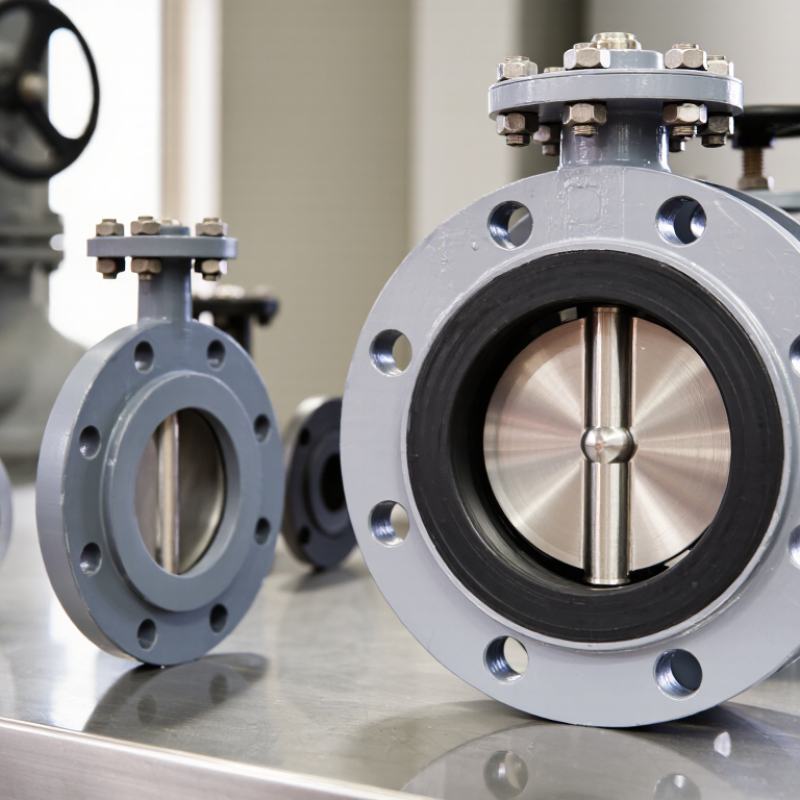
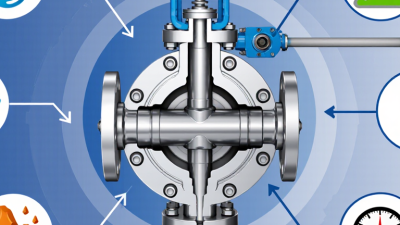
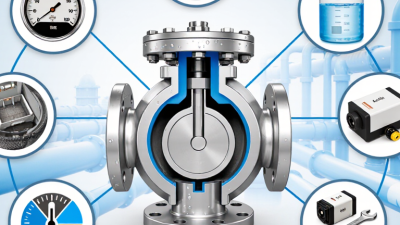
A rubber-seated butterfly valve uses a round disc to control flow inside a pipe. The disc turns around a central shaft, usually through a quarter-turn of the handle or actuator. Open, the disc aligns with the flow. Closed, it presses against a resilient rubber seat around the valve body. That contact creates the shutoff seal.
The design is compact. It often weighs less than larger gate or globe valves of comparable pipe size, which can simplify handling during installation. The seat also helps seal against the disc, but “rubber” does not mean one material suits every service. Temperature, pressure, fluid chemistry, and suspended particles all affect seat life. A technician checking an application should confirm the seat compound and valve pressure rating against actual operating conditions. Small details matter.
Abrasive solids can wear the seat, while incompatible chemicals may cause swelling or hardening. Installation deserves care, too: a misaligned pipe or unevenly tightened connection can interfere with disc movement. The disc may also occupy some space inside the pipe when open, so flow conditions are worth checking. It is a straightforward design, but not a universal fix. Even a careful specification can miss something; operating data and periodic inspection help reveal what assumptions need revisiting.
This table provides a practical technical overview rather than a company ranking. Manufacturer and brand names are omitted; product details and ratings vary by valve design and manufacturer.
| No. | Dimension | Factual overview | What to verify when selecting a valve |
|---|---|---|---|
| 1 | Valve definition | A rubber-seated butterfly valve uses a rotating disc to control or isolate flow. An elastomer seat provides the sealing surface between the disc and valve body. | Confirm whether the valve is intended for on-off service, throttling, or both, and check the supplier’s operating limits. |
| 2 | Quarter-turn operation | The disc typically rotates through approximately 90 degrees between the open and closed positions, allowing operation with a lever, gearbox, or actuator. | Check operating torque, actuator sizing, and the required fail position for automated service. |
| 3 | Common body styles | Common configurations include wafer, lug, and double-flanged bodies. Connection style affects installation, piping support, and whether downstream pipework can be removed while the valve remains in place. | Match the body style to the piping layout, flange standard, pressure class, and maintenance requirements. |
| 4 | Typical elastomer seats | EPDM, NBR, and FKM are commonly used seat materials. Their suitability depends on the fluid, temperature, concentration, and operating conditions; no single elastomer is suitable for every service. | Obtain a chemical-compatibility and temperature review for the actual process fluid, including cleaning agents and additives. |
| 5 | Disc and body materials | Valve bodies are commonly made from materials such as cast iron or ductile iron; discs may be made from ductile iron, stainless steel, or other specified alloys. Available materials depend on the product design. | Check corrosion resistance, coating or lining, fluid compatibility, and any material certification requirements. |
| 6 | Pressure and temperature limits | Allowable pressure and temperature are product-specific. The rating may change with valve size, seat material, body construction, and the applicable pressure class. | Use the manufacturer’s pressure-temperature data for the exact size and materials; do not assume one rating applies to the full product range. |
| 7 | Design and product standards | API 609 covers butterfly valves, with Category A commonly associated with resilient-seated designs. EN 593 covers industrial metallic butterfly valves. Applicable standards depend on the intended market and design. | Confirm the stated design standard, category where applicable, and the edition required by the project specification. |
| 8 | Face-to-face dimensions | ISO 5752 specifies face-to-face and centre-to-face dimensions for certain metallic valves used in flanged pipe systems. The required dimension series depends on the valve design and project requirements. | Verify the exact face-to-face series and flange drilling before ordering or replacing an existing valve. |
| 9 | Actuator mounting | ISO 5211 specifies mounting dimensions for part-turn actuators and attachment components. A valve may have a compatible mounting pad, but actuator compatibility still depends on interface and torque requirements. | Check the mounting interface, stem dimensions, operating torque, and actuator output across the full operating range. |
| 10 | Testing and applications | ISO 5208 provides pressure-testing requirements for industrial valves. Rubber-seated butterfly valves are used in many water, wastewater, HVAC, and general industrial systems when the materials and ratings suit the service. | Specify the required shell and seat tests, leakage acceptance criteria, test pressure, and any application-specific approvals. |