Top 5 Bubble Tight Butterfly Valves for Global Buyers?
In the realm of industrial fluid control, the Bubble Tight Butterfly Valve stands out as a crucial component. This specialized valve ensures zero leakage, making it essential for various applications. Many manufacturers offer different designs and features, catering to diverse industry needs. Buyers seeking reliability and performance often face challenges in choosing the right product.
Selecting the right Bubble Tight Butterfly Valve requires careful consideration of factors like material, pressure rating, and size. It is vital to understand the specific requirements of your application to avoid costly mistakes. Not all valves are created equal, and a misstep can lead to inefficiencies in operations.
Furthermore, as the market evolves, staying updated on the latest models is crucial. The top five Bubble Tight Butterfly Valves highlighted in this guide aim to provide clarity. Their innovations and real-world applications reflect the continuous advancement in valve technology. Exploring these options allows global buyers to make informed decisions and improve their systems.
Definition and Functionality of Bubble Tight Butterfly Valves
Bubble tight butterfly valves play a crucial role in various industries, ensuring minimal leakage during operation. These valves are designed to provide a seal that prevents fluid escape, a feature essential for fluid control systems in sectors like water treatment, oil and gas, and chemical processing. According to a recent market analysis, the global butterfly valve market is projected to grow at a CAGR of 5.4% from 2021 to 2026.
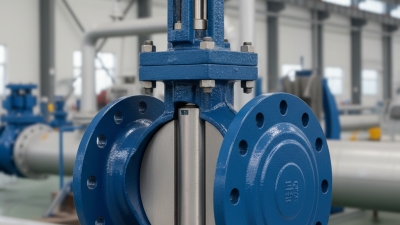
The functionality of bubble tight butterfly valves lies in their unique design. A primary disk rotates around a shaft, allowing fluid flow control. The valve’s tight sealing mechanism is achieved through elastomeric seals or metal seating surfaces. This prevents any bubbles or fluid from escaping, which is particularly important in applications where contamination must be avoided. Industry reports indicate that improper seal design can lead to operational failures, highlighting the importance of quality and reliable manufacturing.
In practical scenarios, installation and maintenance challenges are common. Misalignment during installation can lead to poor sealing performance. Furthermore, regular maintenance checks are critical to ensure longevity and functionality. Professionals recommend conducting annual inspections to assess the valve's condition. This can prevent unexpected failures in critical systems, minimizing downtime and ensuring safety.
Key Features to Consider in Selecting Bubble Tight Butterfly Valves
When selecting bubble tight butterfly valves, certain key features should stand out. The material of construction plays a crucial role. Corrosion-resistant materials like stainless steel or plastic can enhance longevity. Look for valves that demonstrate outstanding sealing capabilities. This ensures minimal leakage, which is essential for maintaining system integrity.
Another vital aspect to consider is the valve's design. A streamlined design can facilitate better flow and reduce pressure drop. Accessibility for maintenance should also be prioritized. Maintenance schedules can be demanding, and easy access to components is a must. Additionally, consider the actuator options available. Electric and pneumatic actuators serve different needs based on system requirements.
It’s important to evaluate the manufacturer's reputation. Experienced manufacturers typically provide documentation and certifications. These can assure quality and performance. However, potential buyers should reflect on their specific application needs. Sometimes, a less popular choice may fit better than a widely trusted option. Frequent assessments of valve performance in real-world conditions are necessary to ensure efficiency.
Top 5 Bubble Tight Butterfly Valves for Global Buyers
| Feature |
Valve 1 |
Valve 2 |
Valve 3 |
Valve 4 |
Valve 5 |
| Size Range |
2" - 12" |
1.5" - 10" |
3" - 20" |
2" - 14" |
4" - 16" |
| Body Material |
Cast Iron |
Stainless Steel |
Carbon Steel |
Aluminum |
PVC |
| Pressure Rating |
150 PSI |
200 PSI |
100 PSI |
150 PSI |
75 PSI |
| Operation Type |
Manual |
Electric |
Pneumatic |
Manual |
Electric |
| Bubble Tight Seal |
Yes |
Yes |
Yes |
No |
Yes |
Top 5 Brands of Bubble Tight Butterfly Valves for Global Market
In the global market, bubble tight butterfly valves are essential in various industries. These valves prevent leakage, ensuring efficiency in fluid handling systems. When selecting a brand, reliability and performance are key factors. Buyers should consider those with a reputation for quality.
Several manufacturers stand out in this competitive landscape. They offer unique designs and materials suited for different applications. Each brand has specific advantages, but the best choice depends on the buyer’s needs. Some brands emphasize durability, while others focus on innovative technology. Testing and sampling are crucial to distinguish among them.
However, not all bubble tight butterfly valves are created equal. Issues can arise from inconsistent manufacturing processes. Customers may face challenges in finding the balance between cost and reliability. This complexity makes it imperative to conduct thorough research. User reviews and expert opinions can provide valuable insights.
Comparative Analysis of Performance Among Leading Butterfly Valves
When selecting bubble tight butterfly valves, performance analysis is critical. Recent reports indicate that these valves significantly differ in performance metrics such as flow coefficient (Cv) and pressure drop under various operating conditions. A well-regarded study highlighted that valves with a higher Cv value can effectively minimize energy costs and ensure seamless fluid dynamics in industrial applications.
Consider the operating torque required for these valves. Research suggests that lower operating torques correlate with longer service life and reduced maintenance needs. One noteworthy finding emphasized that valves designed with advanced materials can outperform traditional stone or metal in terms of resistance to corrosion and wear. However, not all high-performance models guarantee reliability; inconsistencies in manufacturing processes can lead to poor sealing capability, raising concerns for end-users.
User feedback can also reveal deficiencies in valve performance over time. For instance, reports have shown that some butterfly valves may develop leaks after extensive use, which compromises their bubble-tight characteristics. This highlights a crucial consideration for buyers: evaluating not only the initial specifications but also long-term durability. Understanding these performance nuances helps make informed decisions in selecting the best butterfly valve for specific applications.
Maintenance Tips for Ensuring Longevity of Bubble Tight Butterfly Valves
Bubble tight butterfly valves are essential in various industries. They ensure effective sealing and prevent leaks. To increase the longevity of these valves, proper maintenance is crucial.
Regular inspections play a key role. Check for signs of wear and tear. Look for any corrosion or damage. Addressing small issues early can prevent bigger problems.
Tips for Maintenance:
- Clean the valve regularly to avoid buildup.
- Lubricate moving parts to ensure smooth operation.
- Store valves in dry, stable conditions to prevent rust.
Monitoring performance is also vital. If a valve starts leaking, it may need adjustment or replacement. Document maintenance activities for future reference. Keeping a record helps identify patterns in valve performance. Use these insights for better planning and preparedness.
Investing time in maintenance can lead to significant savings. It enhances the reliability of your operations. Effectively managed, bubble tight butterfly valves will serve you well for years.