request to quote
Leave Your Message

What Is a Butterfly Valve With Bypass?

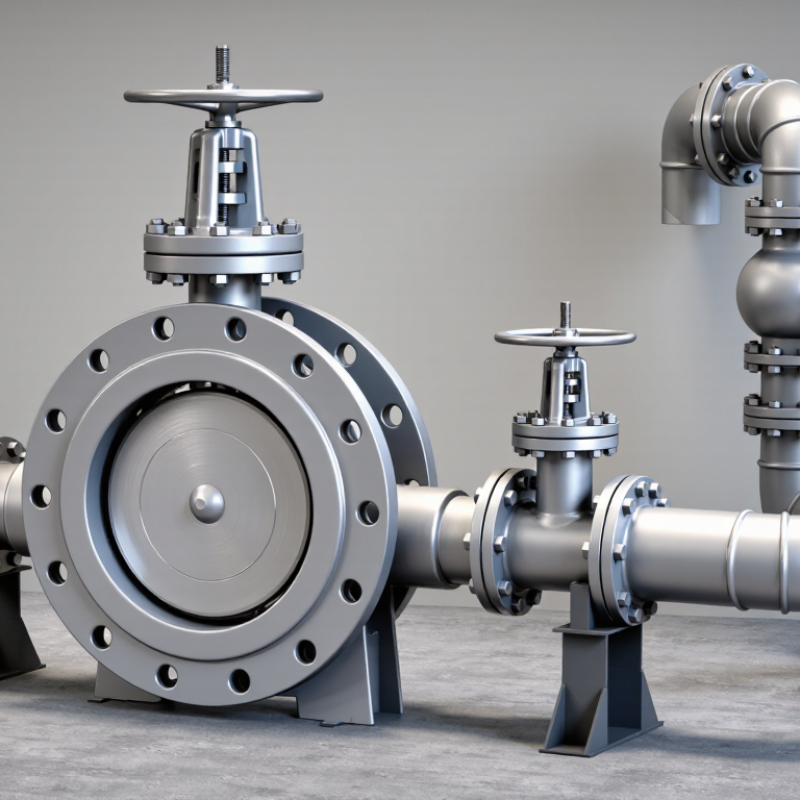
A Butterfly Valve With Bypass combines a main butterfly valve with a smaller bypass line and valve. The bypass can help equalize pressure before the main valve opens, depending on the system design. That matters when pressure differences make operation difficult or create abrupt flow changes. In other installations, the bypass provides a controlled route around the main valve during maintenance or operation. The exact purpose depends on the piping arrangement.

Valve handbook author John V. Ballun is a recognized voice in valve engineering. A concise paraphrase of the practical principle reflected in his work—not a verified verbatim quotation—is: “A bypass should be selected for the system’s operating needs, not treated as an afterthought.” That distinction is important. A small bypass valve, its fittings, and the main valve must be considered together. A poorly sized line may equalize pressure too slowly, while an unsuitable arrangement may complicate isolation.

Picture a large butterfly disc facing a pressurized pipeline. Opening the bypass first can allow pressure to balance gradually, where the design calls for it. Then the main valve can be operated under more controlled conditions. Small detail. Big consequence. Still, a bypass does not automatically prevent water hammer or solve every operating problem. Engineers must review pressure, flow, fluid, actuator limits, and maintenance requirements. This guide explains what a Butterfly Valve With Bypass is, how its components work, where it is used, and what to check before specifying one. Real systems vary. That deserves careful attention.
What Is a Butterfly Valve With Bypass?

Butterfly Valve with Bypass: Definition and Main Components

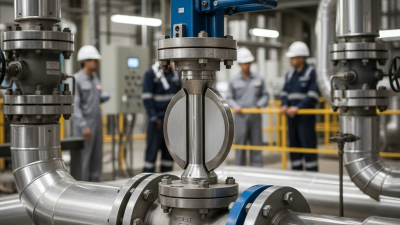
A butterfly valve with bypass pairs a main shutoff valve with a smaller flow path around it. The main valve uses a rotating disc inside a pipe. Its body holds the assembly, while the stem transfers movement from a handle or actuator to the disc. A seat forms the sealing surface when the disc closes. The bypass is a separate pipe connection, not necessarily part of the valve body.

That bypass line usually includes a small bypass valve. In some installations, it also has isolation fittings for maintenance. Opening the bypass first can help reduce the pressure difference across a large, closed butterfly valve. This may make the main valve easier to operate and limit sudden flow changes. The exact sequence depends on the system design. That distinction matters.

Operators should confirm the bypass pipe, valve, and connections suit the system’s pressure, fluid, and temperature. A bypass that is too small may equalize pressure slowly; one that is left open can allow unwanted flow. Those details are easy to miss during installation. Check the arrangement against the equipment drawings and operating procedure, rather than assuming every butterfly valve needs the same bypass setup.
What Is a Butterfly Valve With Bypass?

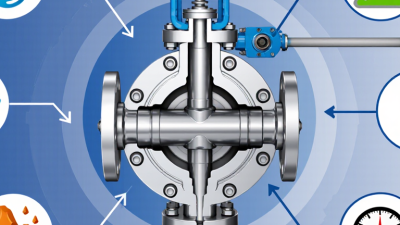
A bypass arrangement provides an alternate flow path around a main butterfly valve. In a typical simplified layout, a smaller bypass pipe and its isolation valve allow flow or pressure equalization while the main valve is closed.

The chart shows the component count in one simplified arrangement, not a universal specification. Actual designs vary; actuators and additional isolation or instrumentation may be included as required.

Quarter-Turn Mechanism: The Disc Rotates 90° Between Open and Closed

What Is a Butterfly Valve With Bypass?

A butterfly valve controls flow with a disc mounted across the pipe. In a quarter-turn mechanism, the disc rotates 90° between fully closed and fully open. A quarter-turn handle makes this motion visible: the stem moves from one stop to the other. That’s the basic action. The disc may also sit at intermediate angles, although precise flow control depends on valve design and operating conditions.

A bypass is a smaller route around the main valve. Operators can open it first to equalize pressure across the closed disc, then turn the main valve more easily. This can matter on large lines, where pressure difference makes operation harder.

The U.S. Department of Energy’s Improving Pumping System Performance: A Sourcebook for Industry reports that pumping systems account for nearly 20% of electricity used by industrial motor-driven systems. That figure describes whole systems, not butterfly valves alone. Still, it shows why pressure losses and operating choices deserve attention.

A bypass does not automatically save energy, and it adds fittings that need inspection. The detail is easy to miss. API Standard 609 provides industry requirements for butterfly-valve design and dimensions; operators should also follow the specific valve’s installation and maintenance instructions.

Bypass Operation: Equalize Pressure Before Opening the Main Valve

A butterfly valve with a bypass includes a smaller pipe and valve around the main disc. The bypass lets a limited amount of fluid pass while the main valve remains shut. This helps reduce the pressure difference across the disc before it opens. Less differential pressure can mean lower operating torque and a gentler change in flow.

Go slowly. Check that the bypass, gauges, and connected piping are suitable for the system’s pressure and fluid. Open the bypass gradually, then watch the pressure readings on both sides of the main valve. A needle that moves steadily is more useful than a quick guess. In the field, this step is easy to rush, especially when a line appears quiet. It should not be.

Once pressures have sufficiently equalized, follow the equipment’s operating procedure for closing the bypass and opening the main valve. The correct sequence can vary with the piping arrangement. Move the main valve in a controlled manner and monitor for unusual vibration, noise, or pressure changes. A bypass does not replace pressure checks or safe isolation procedures.

Design Checks: Assess Differential Pressure, Flow, and Temperature

A butterfly valve with bypass uses a smaller line around the main valve to help balance pressure before opening. That can reduce operating effort and limit sudden flow changes. The bypass is not a substitute for checking the main valve’s capacity. Both paths need to suit the system’s actual operating conditions.

Start with differential pressure across the closed valve. Check the maximum expected value, including startup and shutdown, not just steady operation. High differential pressure can make the disc difficult to move and may increase wear. A bypass that is too small may equalize pressure slowly; one that is oversized can admit flow too quickly. Small details matter. Compare required flow rates with the valve’s rated capacity and the system’s pressure drop. A calculation based on average flow alone can miss peak demand.

Temperature affects the body, disc, seat, seals, and bypass components. Confirm their rated ranges against both normal and upset temperatures. Also consider thermal expansion, especially where hot fluid may be trapped between closed valves. In practice, temperature swings are easy to underestimate. I would verify the assumptions against operating records where possible; those records are not always complete. Check the valve’s pressure-temperature limits and the material compatibility before final sizing.

Industry Standards: API 609 and ASME B16.34 Pressure-Temperature Ratings

A butterfly valve with bypass uses a smaller line around the main disc. Opening this line can reduce the pressure difference across the disc before the valve moves. On a large, pressurized line, that may lower operating torque. The bypass does not increase the valve’s allowable pressure.

API 609 addresses butterfly valve design and construction, while ASME B16.34 provides pressure-temperature ratings for covered valve materials and classes. These ratings change with both pressure class and operating temperature. For example, a valve rated for a given pressure at ambient conditions may have a lower allowable pressure when hot. Check the applicable material table, valve class, and project specification together. Small details matter.

A bypass assembly also needs its own rating. Its piping, fittings, and isolation valve must suit the service conditions, and the connection must not weaken the main valve body. In practice, confirm the valve’s stated rating and the standards edition used for selection. Seat materials, end connections, and design limits can affect what is acceptable. It is easy to assume the bypass is covered automatically; that assumption deserves a second look.

What Is a Butterfly Valve With Bypass? - Industry Standards: API 609 and ASME B16.34 Pressure-Temperature Ratings
Topic Description or Reference Data Practical Consideration
Butterfly valve with bypass A butterfly valve assembly fitted with a smaller line and valve that connects the upstream and downstream sides of the main valve. The bypass can be opened to equalize pressure or admit flow gradually before operating the main valve. Its use depends on the system and operating procedure.
API 609 scope API 609 covers design, materials, face-to-face dimensions, inspection, and testing requirements for specified butterfly-valve categories and sizes. Confirm the valve category and applicable edition of API 609 in the purchase specification. A bypass arrangement does not by itself establish the valve’s pressure rating.
ASME B16.34 scope ASME B16.34 provides pressure-temperature ratings for covered valve materials and pressure classes, along with requirements for valve design and construction. Ratings depend on material group, pressure class, and temperature. Verify that the specific butterfly valve is designed and rated to the cited requirements.
Illustrative rating at 100°F (38°C) For ASTM A216 Grade WCB, commonly listed in ASME B16.34 material Group 1.1, example standard-class ratings at 100°F are Class 150: 285 psig; Class 300: 740 psig; Class 600: 1,480 psig. These are reference values for the stated material and temperature, not a guaranteed rating for every butterfly valve. The valve manufacturer’s certified rating and applicable standard govern.
Effect of temperature For a given material and pressure class, the allowable pressure generally changes with temperature according to the applicable pressure-temperature table. Do not use a 100°F rating as the allowable pressure at a different operating temperature. Check the relevant material-group table and any design limitations.
Bypass sizing and rating The bypass is a separate pressure-containing flow path and may include its own pipe, fittings, and isolation valve. Specify and verify the bypass components for the system’s design pressure, temperature, fluid, and operating requirements; do not assume they inherit the main valve’s rating.
Selection checks Review the required pressure class, material, temperature range, end connections, leakage requirements, actuation, and applicable inspection and testing criteria. Use the project specification and current editions of the applicable standards. Have the final selection confirmed for the service conditions.