request to quote
Leave Your Message

China Top WRAS Butterfly Valve Manufacturer Supplier?

Choosing a China top WRAS Butterfly Valve manufacturer or supplier requires more than comparing prices. It demands verified experience, controlled production, and clear certification evidence. A reliable supplier should explain how its valves perform in potable water systems, not simply repeat marketing claims. WRAS approval must match the specific valve design, materials, and intended application.

Factory experience becomes visible in practical details. Look for documented material certificates, pressure-test records, dimensional inspections, and traceable batch numbers. A professional manufacturer can discuss EPDM seat quality, disc materials, shaft sealing, and operating torque with confidence. It should also provide drawings, approval documents, and installation guidance before purchase. Small details matter. A poorly controlled coating can affect service life, especially in wet environments.

This guide examines how to assess a Wras Butterfly Valve supplier from China. It considers manufacturing capability, quality management, export experience, and after-sales support. Product consistency matters more than one impressive sample. No supplier is perfect, and even experienced buyers can overlook communication delays or unclear warranty terms. That point deserves attention. Buyers should verify current approval status independently and confirm whether testing covers the exact model ordered. Site audits, video inspections, and third-party testing can add useful confidence. The strongest supplier is not always the largest one. It is the partner that answers technical questions clearly, shares realistic lead times, and accepts responsibility when a problem appears. This approach supports safer procurement and more dependable valve performance.
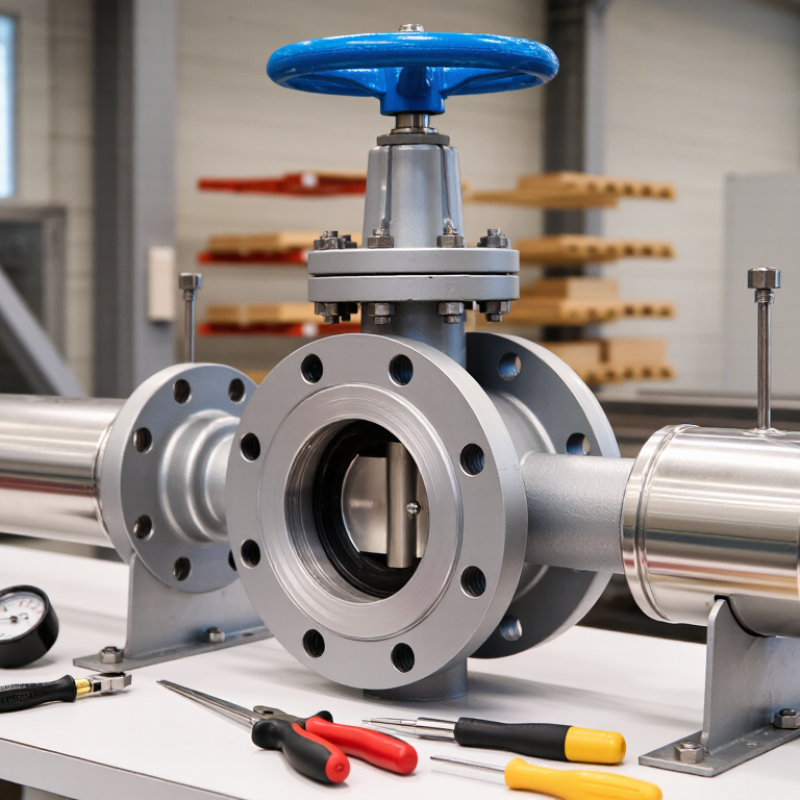
China Top WRAS Butterfly Valve Manufacturer Supplier?

WRAS Approval Criteria for Potable-Water Butterfly Valves in the UK

For a Chinese manufacturer supplying butterfly valves to the UK, WRAS approval requires more than a printed certificate. The approval focuses on safe contact with potable water. Materials must avoid harmful leaching, unpleasant taste, odour, and excessive microbial growth. Non-metallic parts may require testing under BS 6920 or related technical criteria. Rubber seats, coatings, lubricants, and liners all matter. Small material changes matter.

Buyers should request the exact approval scope before placing an order. The approval must match the valve design, size range, pressure rating, and intended water application. Check the nominal size carefully. Confirm every wetted component.

Installation instructions should identify approved seals, bolts, and operating limits. Traceable batch records help. A certificate for one configuration cannot automatically cover every variation. That detail is often missed.

A reliable supplier should maintain controlled drawings, material declarations, test reports, and production records. Valve samples should represent normal factory output, not specially prepared units. In practice, a polished certificate copy is not enough. Documents can be outdated, incomplete, or linked to another construction. This needs honest checking. Factory inspections, incoming material control, and final pressure testing strengthen confidence. Suppliers should also explain how design changes affect approval status. WRAS compliance is a continuing discipline, not a marketing phrase.
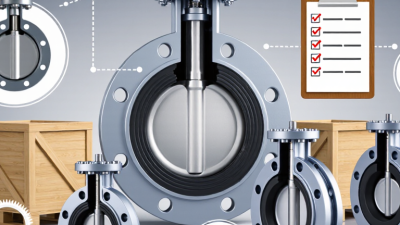
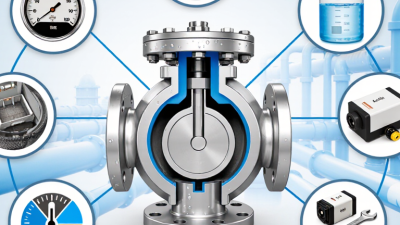
Key Valve Standards: EN 1074, EN 593, ISO 5752, and PN10–PN16 Ratings

Selecting a butterfly valve for water service requires more than checking the nominal diameter. EN 1074 addresses valves used in water supply systems, including functional requirements and pressure testing. EN 593 applies to metallic butterfly valves in industrial applications. They overlap in practice, but they are not interchangeable documents.

ISO 5752 is especially important during installation. It defines face-to-face dimensions, helping the valve fit between existing flanges without forcing the pipework. A technician should measure the actual gap, flange condition, and disc clearance before ordering. Small dimensional errors can create leakage or prevent full operation. This detail is often overlooked.

PN10 and PN16 describe nominal pressure classes, not guaranteed working pressure in every condition. Temperature, fluid quality, seat material, and operating frequency can change performance. Pressure tests should follow the applicable standard and include documented results. Check certificates, inspection records, coating details, and material declarations. Do not rely on a catalog line alone.

Real projects are less tidy. Some specifications combine standards without explaining their priority. That deserves review. A reliable supplier should clarify the design basis, test pressure, actuator load, and installation orientation before production. For potable water applications, approval requirements must also be verified for the destination market. Good engineering is sometimes slower at the start. It usually prevents expensive correction later.

Key Standards for Butterfly Valves and Nominal Pressure Ratings

PN10 and PN16 represent nominal pressure classes of 10 bar and 16 bar at the reference temperature, respectively. EN 1074 covers valves for water supply applications, EN 593 addresses industrial metallic butterfly valves, and ISO 5752 specifies face-to-face and center-to-face dimensions for metallic valves used in piping systems.

How Chinese Suppliers Control Leakage, Materials, and Pressure Performance

China Top WRAS Butterfly Valve Manufacturer Supplier?

Chinese suppliers serving WRAS-related water projects control leakage through design discipline and repeated testing. Machined disc edges must meet tight tolerances. Seat surfaces need even contact around the full circumference. Factory teams commonly perform shell and seat pressure tests before packing. A dry valve may look acceptable, yet a small seat defect can appear after cycling. That is why torque checks and open-close testing matter.

Material control starts with traceable batches. Ductile iron bodies, stainless steel stems, and approved elastomers should match the project specification. For drinking water applications, suppliers must provide relevant material and product approval documents. Pressure performance also depends on the correct pressure class, flange dimensions, and installation position. Competent manufacturers test beyond normal working pressure, while recording gauge data, test duration, and inspection results. Documentation is not decoration.

Tips: Request test reports, material certificates, drawings, and approval evidence for the exact valve configuration. Check whether the rubber seat, coating, and stem material are covered. Ask how rejected castings are handled. Visit the factory if the project is critical. A remote audit helps, but it cannot reveal every production habit. One weakness remains: even a reliable supplier may overlook installation conditions. Misaligned flanges, excessive bolt force, or unsuitable water chemistry can create leakage after delivery. Good engineering leaves room for that uncomfortable possibility.

Comparing Top Manufacturers by DN50–DN2000 Size and ISO 5211 Compatibility

China Top WRAS Butterfly Valve Manufacturer Supplier?

Comparing WRAS butterfly valve manufacturers requires more than checking price. For DN50–DN200, compact wafer valves often suit chilled water and building services. Their ISO 5211 actuator pads should match common mounting patterns without adapter plates. For DN250–DN1000, shaft strength, disc clearance, and seat recovery deserve closer inspection. DN1200–DN2000 valves need verified torque data, lifting points, and accurate flange alignment. Large valves can look similar on drawings, yet installation tolerances may differ.

WRAS-related documentation should identify the exact valve configuration, materials, and tested size range. Ask for approval records, pressure-test reports, material certificates, and batch traceability. Reliable manufacturers explain whether certification covers the complete assembly or selected components. That distinction matters. A polished catalog can still hide gaps. In practical inspections, coating thickness, stem sealing, and disc-edge finish often reveal more than photographs. I would also compare cycle testing under realistic pressure, not only factory bench results.

Tips: Request ISO 5211 dimensions for every selected DN size. Confirm actuator torque at start-up and full pressure. Check whether DN50 and DN2000 use the same seat design; they rarely should. Review face-to-face dimensions against your piping drawings. One detail is easy to miss: oversized actuators may overload the stem during emergency operation. Independent verification is worthwhile, although it can slow procurement.

Supplier Evaluation: WRAS Certificates, Testing Data, Lead Times, and Support

Choosing a top WRAS butterfly valve supplier requires more than a certificate image.

WRAS approval should match the exact valve model, seal material, size range, and intended potable-water application. Ask for the approval number, current validity, and test scope. A copied document is not enough.

I would also request batch-level material certificates, dimensional records, and traceability from casting to final assembly.

Testing data should be practical and repeatable. Confirm pressure testing against the stated standard, such as ISO 5208, and check seat leakage results at defined pressures. Ask for operating torque, shell-test duration, coating thickness, and cycle-test evidence.

The 2022 WHO/UNICEF Joint Monitoring Programme report estimated that 2.2 billion people lacked safely managed drinking water.

That figure makes small sealing failures more serious than they appear. Still, many supplier datasheets omit test conditions. That is a weakness worth challenging.

Lead time should include production, inspection, packing, and shipping, not only machining time. Request a written schedule for samples, standard sizes, and urgent replacements.

A dependable supplier should explain capacity during peak demand and provide realistic alternatives.

Support matters after delivery: installation drawings, torque guidance, spare seals, and a named technical contact reduce site delays.

My own evaluation would score response speed and document quality, but this method is not perfect. A factory visit or independent inspection can reveal details that polished paperwork misses.

Sources: WHO/UNICEF JMP 2022 report; ISO 5208:2015; WRAS approval guidance.