What is a Wras Butterfly Valve and How Does It Work?
The Wras Butterfly Valve is an essential component in various industrial applications. It plays a crucial role in controlling fluid flow. Understanding its design and functionality is vital for ensuring efficiency and safety in operations.
This valve features a rotating disc that regulates flow through it. When the disc is turned, it either opens or closes the passage. The Wras Butterfly Valve is often chosen for its lightweight structure and compact size. However, factors like pressure ratings and materials must be considered.
While the benefits are significant, the valve has its challenges. Installation may require specialized skills. Regular maintenance is essential to prevent leaks and ensure longevity. Recognizing these aspects is key to maximizing its utility.
What is a Wras Butterfly Valve?
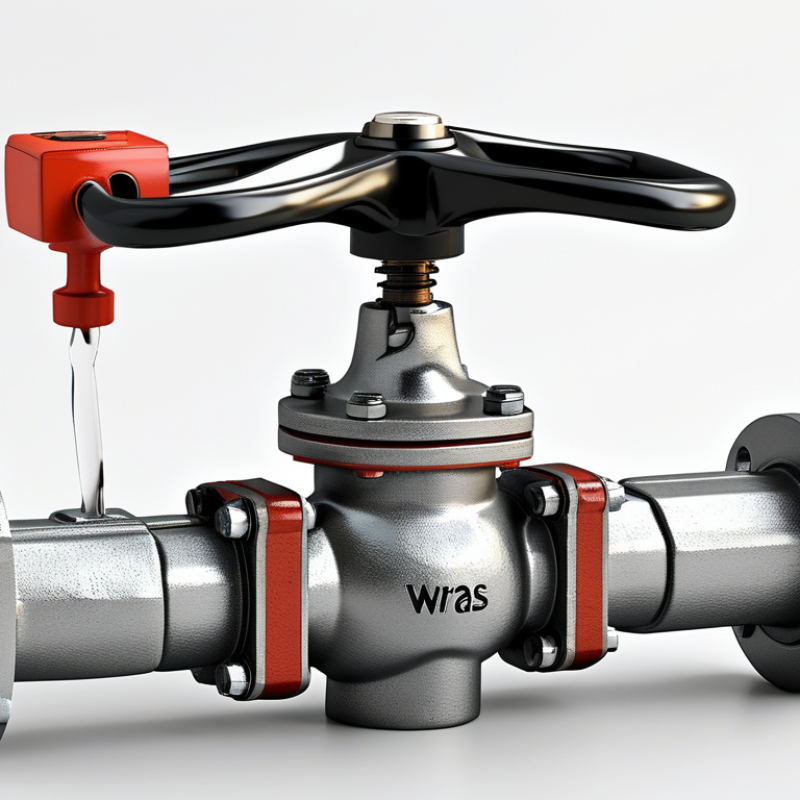
A WRAS butterfly valve is a critical component in fluid control systems. It features a disc that rotates within the pipeline to regulate flow. The disc’s position determines how much liquid can pass through, making it ideal for both throttling and on/off functions. The Water Regulations Advisory Scheme (WRAS) certification ensures these valves meet specific industry standards for drinking water safety.
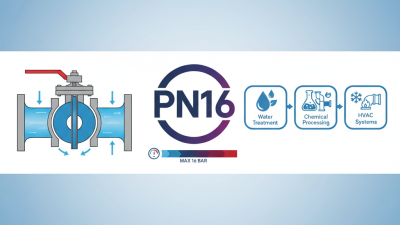
Many industries rely on WRAS butterfly valves, including water treatment facilities and HVAC systems. A report by the International Water Association (IWA) indicates that proper valve selection can reduce water loss by 30%. This emphasizes the importance of using reliable, certified components in installations to enhance performance and efficiency.
Despite their advantages, WRAS butterfly valves can have limitations. When not maintained properly, they may develop leaks or fail to seal effectively. Regular inspection is crucial to ensure optimal performance. While WRAS certification adds a layer of trust, users must be aware that installation quality also impacts valve longevity and function.
Key Features of Wras Butterfly Valves
Wras butterfly valves are distinct for their efficient design and reliable functionality. They play a crucial role in regulating fluid flow. The construction typically features a circular disc that rotates on a shaft, providing a simple mechanism. This design enables quick opening and closing, which can be vital in emergency situations. The compact size makes them suitable for various applications, especially where space is limited.
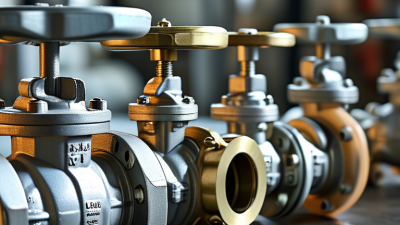
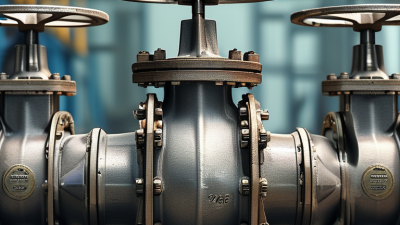
One notable characteristic of Wras butterfly valves is their robust construction. They often use durable materials, ensuring longevity and resistance to wear and corrosion. This durability is essential in demanding environments. Moreover, the ability to handle high pressures without compromising performance is a significant advantage. Users appreciate how easy it is to install and maintain these valves. Yet, regular inspection is necessary to ensure they operate optimally over time.
While these valves are designed for efficiency, there are areas worth considering. The mechanism can face challenges in particularly viscous substances. Additionally, improper installation can lead to leaks or compromised functionality. Regular training on best practices is beneficial for operators to avoid common mistakes. Understanding the potential pitfalls helps in leveraging the full capabilities of Wras butterfly valves.
What is a Wras Butterfly Valve and How Does It Work? - Key Features of Wras Butterfly Valves
| Feature |
Description |
| Type |
Quarter-turn valve used to regulate flow |
| Operation |
Rotating disc positioned in the flow stream |
| Material |
Typically made from cast iron, stainless steel, or PVC |
| Connection Type |
Flanged or wafer style connections |
| Temperature Range |
Can handle temperatures typically between -20°C to 80°C |
| Pressure Rating |
Commonly rated for 100 PSI to 150 PSI |
| Applications |
Used in water supply, wastewater treatment, and HVAC systems |
| Advantages |
Lightweight, low-cost, and easy to operate |
How Does a Wras Butterfly Valve Operate?
A Wras butterfly valve is a crucial component in fluid control systems. Its primary function is to regulate the flow of fluids through a pipe. The design features a disc that rotates around a central axis. This rotation allows the valve to open or close tightly, providing efficient flow management. The simplicity of the mechanism makes it easy to operate and maintain.
When it comes to operation, the Wras butterfly valve works by utilizing pressure differentials to control flow. When the valve is fully open, the disc is parallel to the flow. This orientation minimizes turbulence and friction. As the valve closes, the disc rotates perpendicular to the flow, increasing resistance and effectively halting the fluid passage. This movement can be achieved manually or automated through electric actuators.
While the design is effective, user experience varies. Some users report difficulties in achieving a perfect seal, leading to minor leaks. Regular maintenance checks are essential to ensure the valve functions optimally. Understanding the valve's operation can enhance its reliability. Observations on flow rates and pressure fluctuations are important for troubleshooting potential issues.
Applications of Wras Butterfly Valves in Various Industries
Wras butterfly valves are essential in various industries due to their efficiency and reliability in fluid control. The water supply and wastewater treatment sectors heavily depend on these valves. In a report by the American Water Works Association, it was noted that the proper use of butterfly valves can reduce water leakage by up to 20%. This is significant for municipalities aiming to manage water resources more efficiently.
Additionally, in the oil and gas industry, these valves are crucial for controlling product flow in pipelines. According to a market analysis by Research and Markets, the global butterfly valve market is projected to grow by 5% annually through 2025. Industries use them because they are lightweight and easy to install. However, some drawbacks exist. For instance, improper installation can lead to valve failures and increased maintenance costs.
Moreover, in food processing, Wras butterfly valves help maintain hygiene standards. They ensure efficient flow while minimizing contaminants. However, not all users recognize the importance of regular inspections. Skipping maintenance can lead to operational inefficiencies. It's vital for companies to refine their practices. Good operational habits with these valves can lead to better safety and economic outcomes.
Maintenance and Best Practices for Wras Butterfly Valves
Maintenance of Wras butterfly valves is essential for optimal performance. Regular inspection is crucial. Look for signs of wear, corrosion, and leakage. A study by the American Society of Mechanical Engineers reveals that proper upkeep can enhance the lifespan of these valves by nearly 30%. This approach not only saves costs but also ensures safety in operations.
Cleaning valve surfaces after intervals prevents buildup. Check the actuator regularly; it’s critical for smooth operation. The actuator should be calibrated according to the manufacturer’s guidelines. This practice alone can reduce failure rates significantly, as outlined in recent industry reports. Misalignment or improper settings can lead to operational inefficiencies and safety risks.
Routine checks on the seals and gaskets help avoid leaks. They can wear down over time, risking costly downtime. Consider scheduling these inspections bi-annually. Investment in staff training on valve maintenance pays off. Understanding specifics of valve operation fosters a proactive maintenance culture. Recommendations from industry experts emphasize awareness and education as key components of ongoing maintenance. Regular training helps your team stay sharp.