request to quote
Leave Your Message

Top 10 Rubber Lined Butterfly Valve Manufacturers

A Rubber Lined Butterfly Valve can look simple on a piping diagram: a compact body, a resilient liner, and a quarter-turn disc. In service, small choices matter. Fluid chemistry, temperature, pressure, solids, and operating frequency all affect liner life and shut-off performance. The right manufacturer should explain these limits clearly, not just promise durability.

Grand View Research estimated the global industrial valves market at approximately USD 76.4 billion in 2023 and forecast growth through 2030. That figure covers a broad valve market; it does not measure rubber-lined butterfly valves alone. The distinction matters. Buyers comparing manufacturers should examine liner materials, available sizes, pressure ratings, test procedures, documentation, and after-sales support. A polished catalogue is not a substitute for application-specific evidence.

This guide introduces ten manufacturers and the practical questions worth asking before selection. Check whether published specifications match the actual process, and request clarification where they do not. One evidence gap should be made clear: no verifiable quotation from a named rubber-lined butterfly-valve expert was provided for this introduction. Inventing one would undermine its reliability. A sourced expert statement can strengthen the comparison, but only when its original context is confirmed. Some details need checking.

Top 10 Rubber Lined Butterfly Valve Manufacturers

Rubber-Lined Butterfly Valves: Design and Main Applications

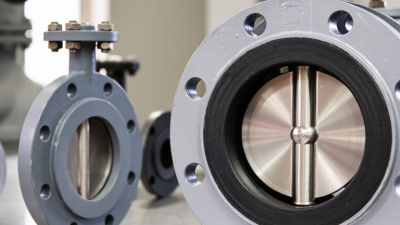
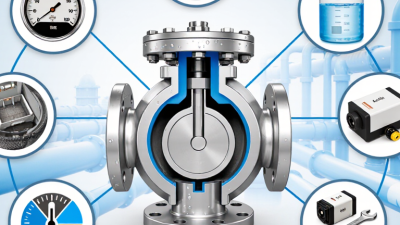
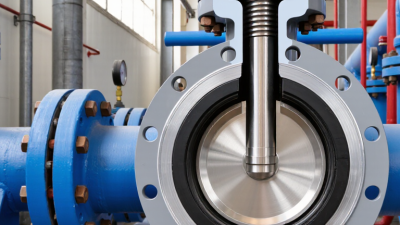
A rubber-lined butterfly valve has a resilient lining inside its body, creating a sealing surface around the rotating disc. The disc typically turns about 90 degrees between open and closed positions. This compact design allows quick flow control and takes up less space than many larger valve types. The lining also limits direct contact between fluid and metal. Small details matter: disc-edge finish, shaft alignment, and liner compression can all affect sealing and wear. Not a cure-all. Rubber compounds vary in temperature limits, chemical resistance, and abrasion performance, so selection should reflect the actual fluid and operating conditions.

These valves are commonly used in water treatment, wastewater systems, irrigation, and process lines carrying mildly abrasive fluids. In slurry service, particle size and concentration deserve attention; a lining that suits clean water may wear quickly in a gritty flow. Operators should also check pressure, temperature, and installation orientation against the valve’s specifications. Deposits around the disc can interfere with closure, while excessive actuator force may damage the sealing surface. Routine inspection helps reveal uneven wear before leakage becomes a larger problem. A careful material choice matters more than a broad claim of suitability.

Design and applications: Elastomer selection depends on operating temperature, fluid compatibility, pressure, and abrasion. EPDM is commonly used for water and wastewater, NBR for oil-containing media, and natural rubber for abrasive slurries.

Temperatures shown are approximate typical upper continuous-use limits; actual ratings vary by compound, medium, and valve design.

Criteria for Comparing Leading Manufacturers

When comparing rubber lined butterfly valve manufacturers, look beyond catalog size and quoted price. Check whether the stated pressure and temperature ranges match your operating conditions, including occasional washdowns or process fluctuations. Ask how the rubber compound is selected for the fluid, and request compatibility data where available. A lining that performs well in water may not suit oils, chemicals, or abrasive service.

Tips: Compare like with like. Confirm valve size, pressure class, connection style, and face-to-face dimensions before reviewing quotes. Ask for inspection records, material traceability, and details of pressure or leakage testing. Details matter.

Manufacturing consistency deserves close attention. Ask how lining thickness and adhesion are checked, and whether inspection results can be linked to the supplied valve. Clarify what documentation accompanies delivery, plus how replacement parts and technical support are handled. Lead time is useful, but only when its assumptions are clear. A polished comparison sheet can still hide gaps; verify important claims against drawings and test documents. If a specification remains vague, note it rather than treating it as a confirmed capability.

Profiles of 10 Rubber-Lined Butterfly Valve Manufacturers

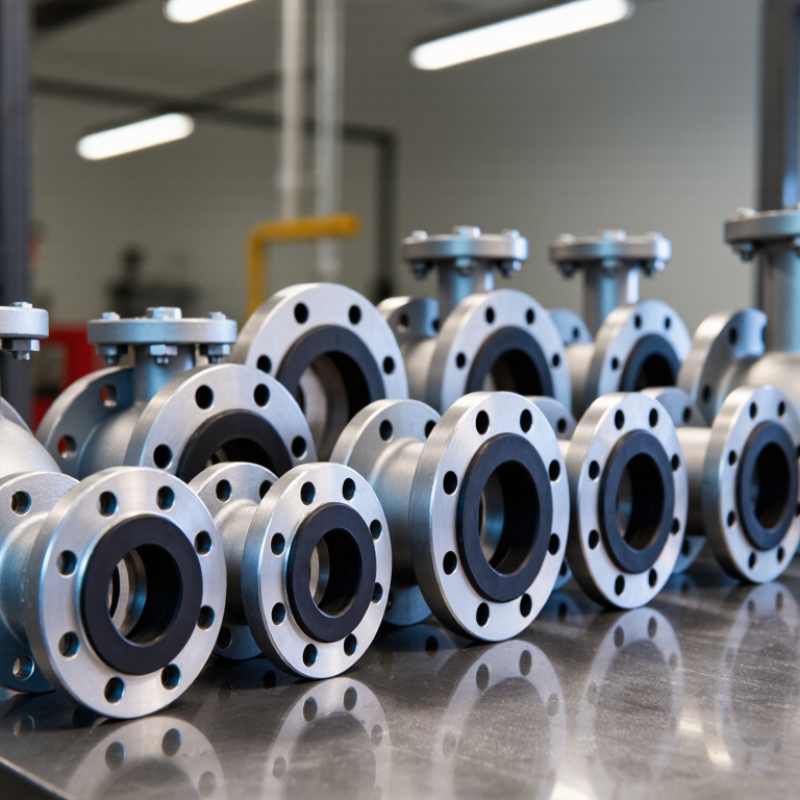
These ten manufacturer profiles compare more than catalog size. They examine valve construction, rubber-seat options, pressure ratings, and support for sizing. Some manufacturers focus on compact wafer-style valves for tight piping spaces. Others offer larger-diameter designs for water treatment or abrasive slurry service. The practical differences matter: a resilient liner must seal against the disc without folding, tearing, or trapping debris. Ask for documented pressure and cycle testing. A polished product sheet is not field evidence.

Grand View Research valued the global industrial valves market at USD 78.6 billion in 2023 and forecast 4.4% annual growth from 2024 to 2030. That broad market figure does not measure rubber-lined butterfly valves alone, but it signals strong industrial demand. The profiles therefore look closely at application fit: replaceable versus bonded seats, disc materials, shaft sealing, and operating torque. Small details count. A rough pipe edge can damage a liner during installation. Manufacturer data should be checked against the actual medium, temperature, and operating cycles; catalog limits can leave out messy site conditions. No profile captures every field condition.

Product Ranges, Materials, and Performance Features

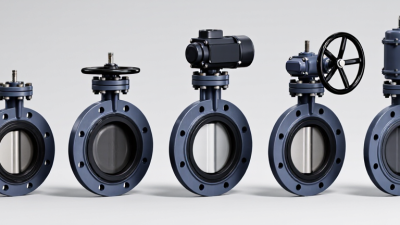
Rubber-lined butterfly valve manufacturers differ in the sizes and configurations they offer. Common ranges include wafer, lug, and flanged bodies, with manual, pneumatic, or electric actuation. Check the stated pressure and temperature limits for the complete valve, not just its body. Linings may use EPDM, NBR, or natural rubber, each suited to different fluids and service conditions. Compatibility depends on concentration, temperature, and exposure time. A material chart helps, but actual operating conditions matter more.

Tips: Ask for lining thickness, test records, and fluid-compatibility guidance. Compare like with like. A low purchase price can hide a poor fit.

Performance depends on more than the rubber. Disc finish, shaft sealing, and seat geometry affect operating torque and shutoff. In a plant inspection, uneven seat wear or deposits near the disc edge can signal an application mismatch. Ask whether the valve is intended for frequent cycling, throttling, or isolation; these duties are not interchangeable. Also confirm the specified leakage class and test conditions. Data sheets can leave gaps, and I would not treat a generic “corrosion resistant” claim as enough evidence. A clear operating envelope makes comparisons more useful.

Top 10 Rubber Lined Butterfly Valve Manufacturers - Product Ranges, Materials, and Performance Features

The profiles below summarize common product capabilities found across the market. They are anonymous and illustrative, not a verified ranking or claims about particular manufacturers. Availability and ratings depend on the specific valve design and order.

Profile Typical Product Range Body and Disc Materials Liner Options Typical Pressure / Temperature Notes Common Performance Features Common Standards / End Connections
Profile 1
General-purpose industrial
Typically DN50–DN1200; wafer, lug, or flanged patterns Ductile iron or cast iron body; ductile iron, carbon steel, or stainless-steel disc EPDM, NBR, or neoprene, selected for the fluid and temperature Commonly offered for moderate-pressure service; ratings and temperature limits vary by liner and size Quarter-turn operation; resilient seat; manual lever or gearbox, with actuator options Common design references include EN 593 or API 609; wafer/lug patterns often suit ASME Class 150 or PN-rated piping
Profile 2
Water and wastewater service
Typically DN50–DN1600; wafer, lug, and double-flanged options Ductile iron body; ductile iron or stainless-steel disc; stainless-steel shaft EPDM is common for water service; other elastomers may be available for compatible fluids Often specified for PN10 or PN16 systems; consult the product pressure-temperature table Corrosion-resistant internal options; replaceable-seat designs may be available; suitable for isolation and throttling within stated limits Common references include EN 593, ISO 5752 face-to-face dimensions, and EN 1092-2 flange drilling
Profile 3
HVAC and building services
Typically DN50–DN600; compact wafer or lug designs Cast or ductile iron body; coated ductile iron or stainless-steel disc EPDM is common for hot and chilled water applications within its specified limits Usually intended for building-service pressure classes; allowable temperature depends on the elastomer grade Low-profile installation; lever or gearbox operation; optional electric or pneumatic actuation Wafer/lug patterns commonly align with EN or ASME piping dimensions; verify mating-flange compatibility
Profile 4
Oil and fuel applications
Typically DN50–DN1000; wafer, lug, or flanged configurations Ductile iron or carbon steel body; carbon steel or stainless-steel disc and shaft NBR is commonly considered for compatible oils and fuels; compatibility must be checked for the exact fluid Pressure and temperature limits depend on the NBR compound, design, and service conditions Resilient sealing and quarter-turn actuation; fire-safe performance should not be assumed unless specifically certified Some designs reference API 609; confirm applicable product approvals and service restrictions
Profile 5
Chemical-process service
Typically DN50–DN600; wafer, lug, or flanged patterns Ductile iron, carbon steel, or stainless-steel body; stainless-steel disc and shaft options EPDM, NBR, or other specified elastomers; chemical compatibility must be confirmed before selection No universal chemical-service rating; limits depend on concentration, temperature, pressure, and liner compound Material-selection options for corrosive media; optional pneumatic or electric actuation for process control Design and testing references vary by model; request the manufacturer’s chemical-compatibility data
Profile 6
Large-diameter pipeline service
Often DN300–DN2000 or larger, subject to design; double-flanged or lug types Ductile iron or fabricated steel body; ductile iron, carbon steel, or stainless-steel disc EPDM or other specified elastomers, depending on the conveyed medium Pressure class and maximum size are design-specific; check operating torque and differential-pressure limits Gearbox operation is common at larger sizes; actuator sizing considers torque, pressure, and service conditions Flange dimensions may follow EN 1092 or ASME B16.5/B16.47, depending on the design and size
Profile 7
Food and beverage utility service
Typically DN50–DN500; wafer, lug, or flanged versions Stainless-steel or coated iron body options; stainless-steel disc and shaft are common upgrade choices EPDM or other elastomers only where their formulation is suitable for the intended application Temperature and chemical-cleaning limits vary by compound; food-contact compliance requires specific documentation Options may include smoother wetted surfaces and documented material traceability; hygienic suitability is model-specific Do not assume sanitary certification from material type alone; verify applicable food-contact approvals
Profile 8
Abrasive slurry and mining service
Typically DN80–DN1200; lug or flanged patterns may be offered Ductile iron or steel body; robust disc and shaft options selected for the slurry duty Natural rubber or abrasion-resistant elastomer grades may be offered; compound choice depends on the slurry Service life depends on particle size, solids concentration, velocity, and operating cycle; application review is recommended Replaceable or serviceable liner designs may be available; avoid assuming suitability for every abrasive mixture Face-to-face and flange drilling are model-dependent; confirm dimensions and wear-service limits with the supplier
Profile 9
Actuated process-valve supplier
Typically DN50–DN800; valve packages may be supplied with actuators and accessories Ductile iron, carbon steel, or stainless-steel bodies; disc materials vary with the application EPDM, NBR, or other specified elastomer options, subject to compatibility and ratings Valve rating does not automatically define the complete package rating; actuator limits must also be considered Pneumatic or electric actuation; optional positioners, limit switches, and solenoid valves Valve design may reference API 609 or EN 593; actuator interfaces and controls are package-specific
Profile 10
Custom-engineered applications
Project-specific sizes and pressure classes; nonstandard coatings or connections may be engineered Material combinations selected to meet the specified corrosion, strength, and installation requirements Elastomer selected against the process fluid, temperature range, and cleaning conditions Performance is confirmed against the approved datasheet and project specification, rather than assumed from nominal size May include custom actuation, coatings, testing, documentation, and inspection plans Applicable standards and inspection requirements should be defined in the purchase specification

Selection note: Confirm the exact size, pressure rating, temperature range, liner compatibility, leakage class, face-to-face dimensions, flange drilling, and applicable certifications using the product datasheet for the specific valve.

Factors to Consider When Selecting a Manufacturer

When comparing rubber-lined butterfly valve manufacturers, start with the service conditions, not the catalogue. Record the fluid, solids content, operating temperature, pressure, and cycling frequency. A wastewater line carrying grit can wear differently from a clean-water line. Ask which elastomer compound suits the fluid and whether the stated temperature limit applies continuously or only briefly.

Small details matter. Request material traceability and batch-specific test records, not just a general certificate. ISO 5208:2015 defines pressure-testing procedures for industrial valves, but its test results do not establish resistance to every chemical or abrasive service.

Check how each manufacturer verifies dimensions, seat sealing, and pressure performance. Ask for test methods, acceptance criteria, and sample reports tied to the quoted valve size. Grand View Research estimated the global industrial valves market at USD 76.4 billion in 2023, with projected growth through 2030; this is market context, not evidence that any supplier is reliable.

Compare lead times, spare-part availability, and support for installation or failure analysis. A low purchase price can look attractive until a worn liner requires an unplanned shutdown. I would still challenge polished claims: published data may describe ideal conditions, while your line rarely runs ideally. Request references from similar applications and confirm what the warranty excludes.